The Mad Agriculture Journal
Days on End
Published on
August 04, 2026
Photography and words by
Savanna Howell
The Day
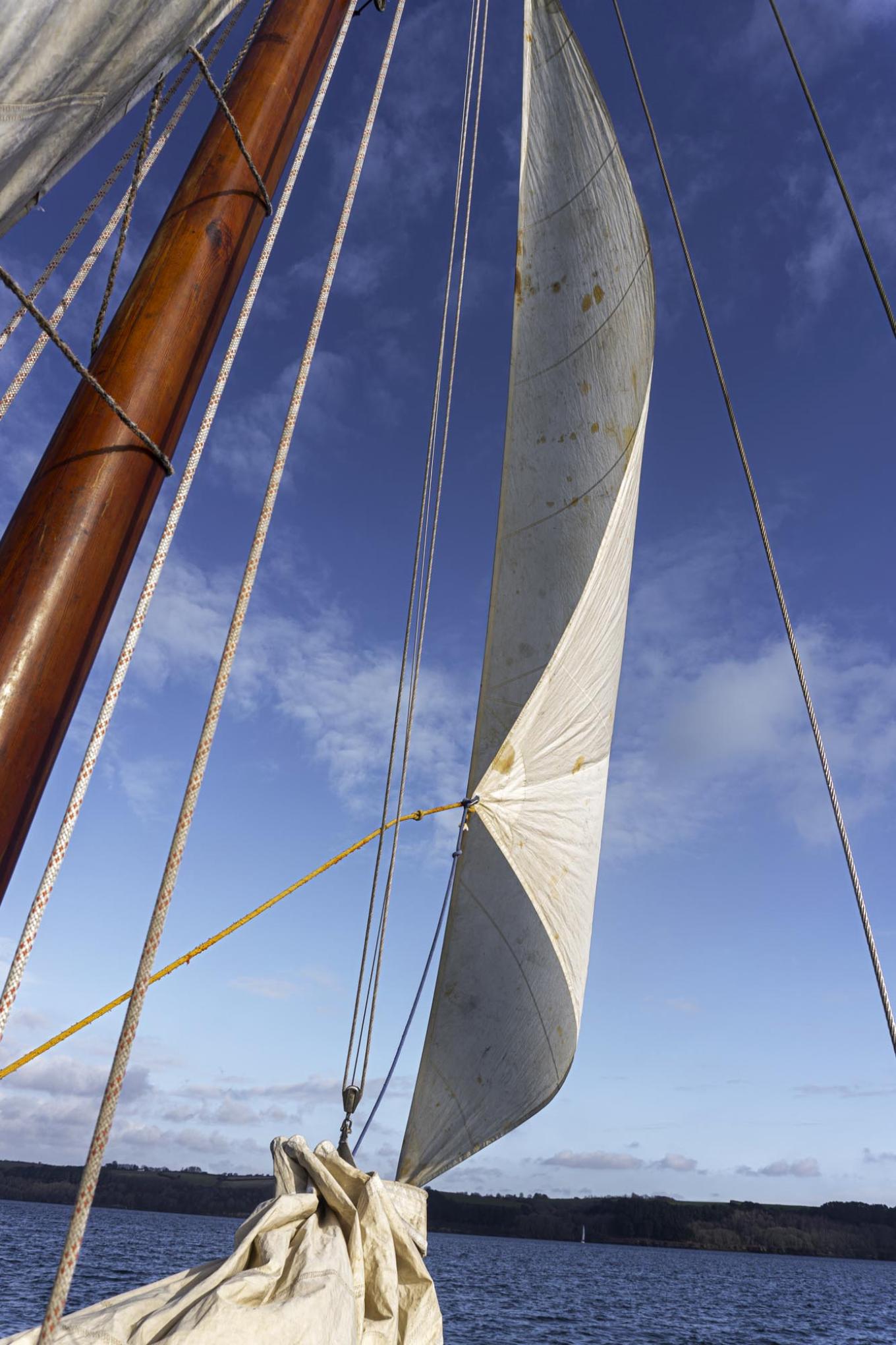
The oystermen arrive at Mylor dockyard at 8:30 on an icy January morning, greeted by a lilac streaked sky and gentle ripples on the surface of the fishery, dreamlike conditions for a day of oystering. Soon the lot is dotted by men pulling on their bibs and stocking their dinghies with supplies for the day, misty breaths visible in the early air as they putter to their moorings. They are three months into the oystering season, with three months left: the half point of another year of dredging Cornwall’s Carrick Roads estuary.
In the marina, the boats unmoor and begin to motor out to the channel, setting sails and examining conditions on the way. Once on the fishery, the motor must be turned off, handing over all power to the collaboration between wind and sailors. The motor cuts, the incessant sound replaced by wind filling the sails and the soft slap of water on the hull. At the top of the tide, sails are dropped and the boats drift with the pull of the sea. Dredges are tossed in, gently towed, and pulled aboard, hand over hand, then emptied onto trays to sort the catch. Oysters larger than seven centimeters across are kept while the small oysters, cultch, and any other critters pulled up are returned to the silty seabed, followed by the empty dredges. At the end of the fishery, dredges are stored, sails reset, and boats sailed back against the tide to repeat the rhythmic labor again, and again, countless times throughout the day. As the sun travels across the sky, and buckets slowly fill with the day’s catch, a small pocket of timelessness is carried on. Each action holds the history of the fishery and of those who have built their livelihoods around it. It is one of the remarkably few places that has not seen a drastic change in the methods and technologies used to carry an industry forward. Such a unique example of the preservation of tradition mustn’t be ignored, and rather deserves to be examined for how it has managed to persevere.
The History
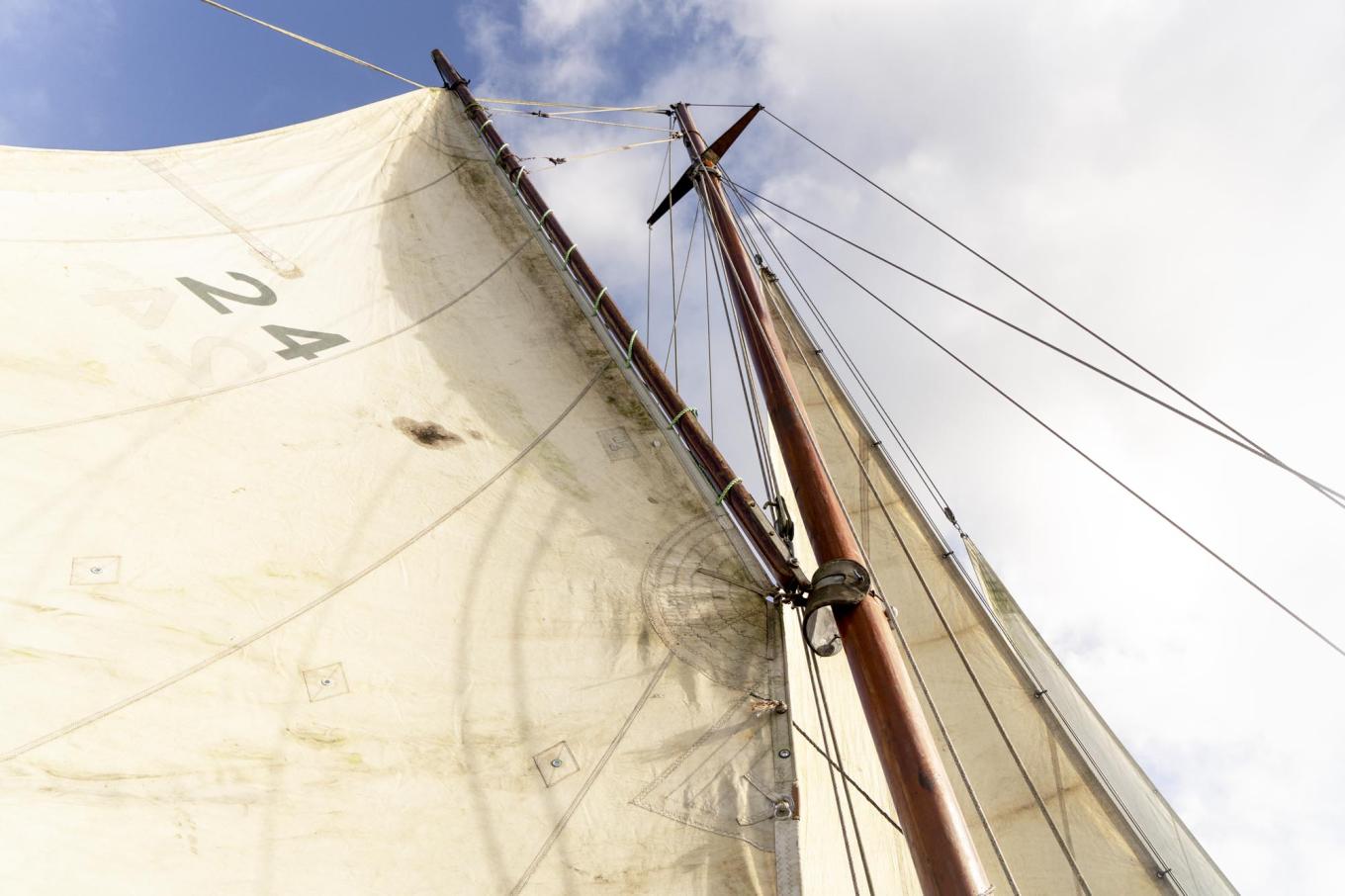
The working gaff-rigged sailboats of Falmouth and Mylor have populated the Carrick Roads fishery for centuries. Boats powered by wind, dredges pulled by hand, day in day out for generations. While the river Fal is believed to have been fished for oysters as early as Roman times, these boats and their captains have been frequenting Fal’s waters since the early 19th century, and the industry has faced its fair share of hardship since then. Pollution, overfishing, and disease during the 1800s halted oyster fishing until the establishment of bylaws in 1868, which restricted oystering to hand-dredging by sail or oar, from October to March only. These laws, and several of the boats that worked the fishery at the time of their inception, are still a part of Carrick Roads’ fabric today. The Carrick Roads fishery is a gem among fishing communities, for it is the last regulated traditional oyster fishery in Europe.
The World
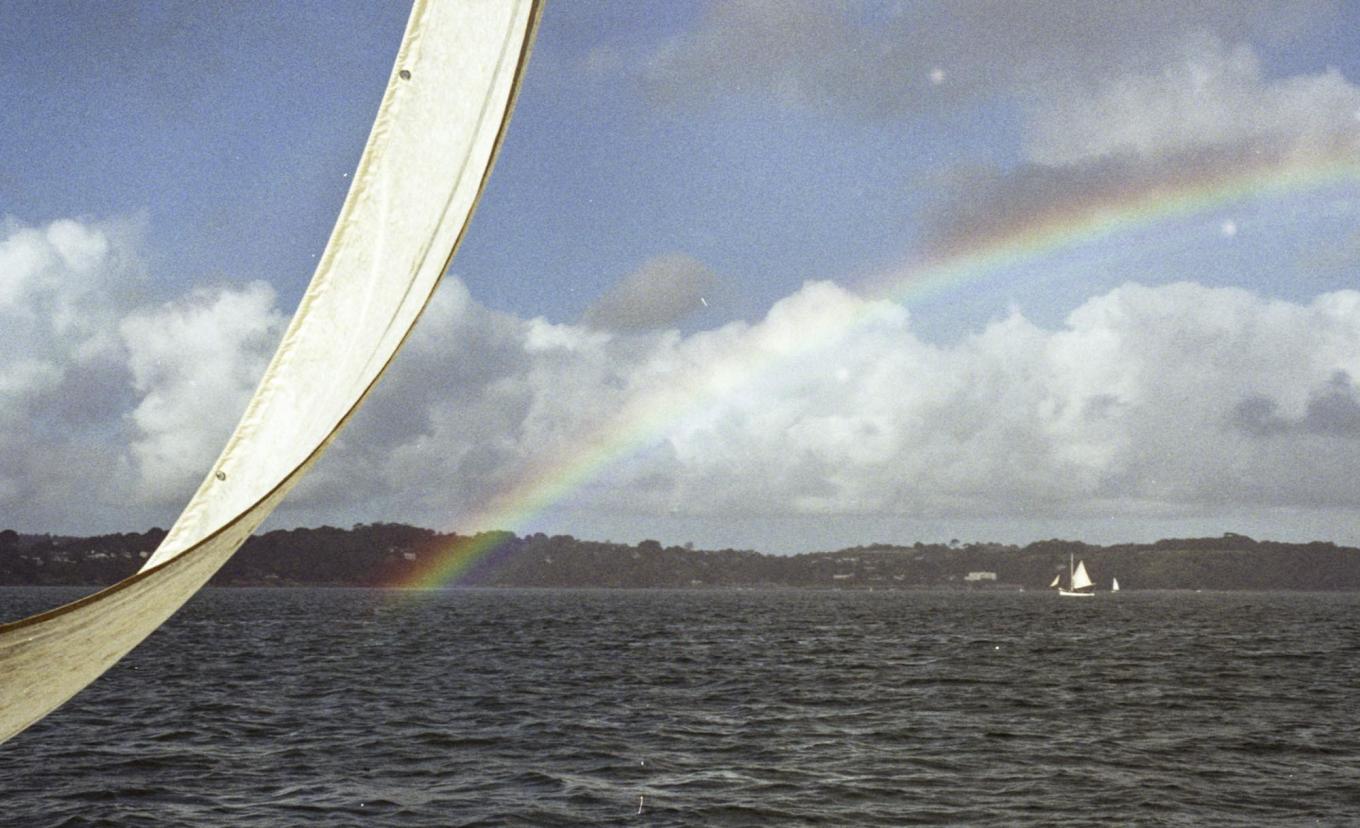
A world changing as rapidly as ours will soon be, or already is, hungry for examples of stability, pockets of wisdom, and places that have not been turned unrecognizable by a relentless pursuit of modernization in the name of progress. So, what is it about the oystermen of Mylor, their wooden sailboats and iron hand-pulled dredges, their steadily persistent lives, that has instilled in them such staying power? And how can that be carried forward as the modern world continues to press in from all sides?

When a livelihood is presented to us as the expectation, whether it’s carrying on the family trade, or the opposite–going out in the world and paving a path that earlier generations didn’t have the opportunity for–it seems that human nature is often to crave whichever route defies that expectation. So, while many sons and daughters of today’s oystermen have ventured into the corporate folds of society in pursuit of stable, modern careers, there is also an opposing shift: an influx of young people searching and aching for a simpler, slower, more tangible way of living and sustaining themselves. The oyster dredging industry in Cornwall had initially seemed like a fragile way of life that was on its way out, but upon looking more closely, it is possible that there is enough fresh energy to carry the lifestyle forward after all. Though the number of boats on the fishery has dwindled over the last few decades, the people on them aren’t solely made up of the elder generation. Alongside the wise faces weathered by salt, sun, and wind are youthful counterparts, eager and curious and in pursuit of a corner of the world unspoilt by the clutter of the modern age. One such example was Nils, a young French man on a journey to study and design ways to sustainably source from our oceans, and who came to the oystermen of Carrick Roads to learn their ways and live their lives.
Innate to the life of an oysterman are many of the lifestyle choices that people today attempt to supplementally incorporate into their lives, such as rising with the sun and going outside first thing. People are reaching for ways to get in touch with their bodies, curating their routines to steady their circadian rhythms and regulate their nervous systems. They fit in rituals to exercise presence, observation, mastery, discipline, consistency–yet all of these practices are instilled in slower, artisanal livelihoods, but without the scheduling, without the choreography. And these lifestyles seem to be becoming increasingly attractive to a subset of today’s younger generations. There is a deep appeal to slowing down, finding a rhythm that matches that of one’s surroundings, and practicing the art of presence simply by means of living one’s life and carrying out one’s livelihood. It feels as though that appeal is growing stronger as the world becomes faster, more complex, more chaotic. It is a wholesome and holistic resistance, led by those who refuse to abandon a life lived in collaboration with the natural world, in service of it and its small communities. It is a resistance built by those who hold onto the wisdom of slower times with resolve, knowing that it is too valuable, even indispensable, now more than ever. The oystermen of Carrick Roads seem to me an example of where this resistance is patiently persisting.
The Work
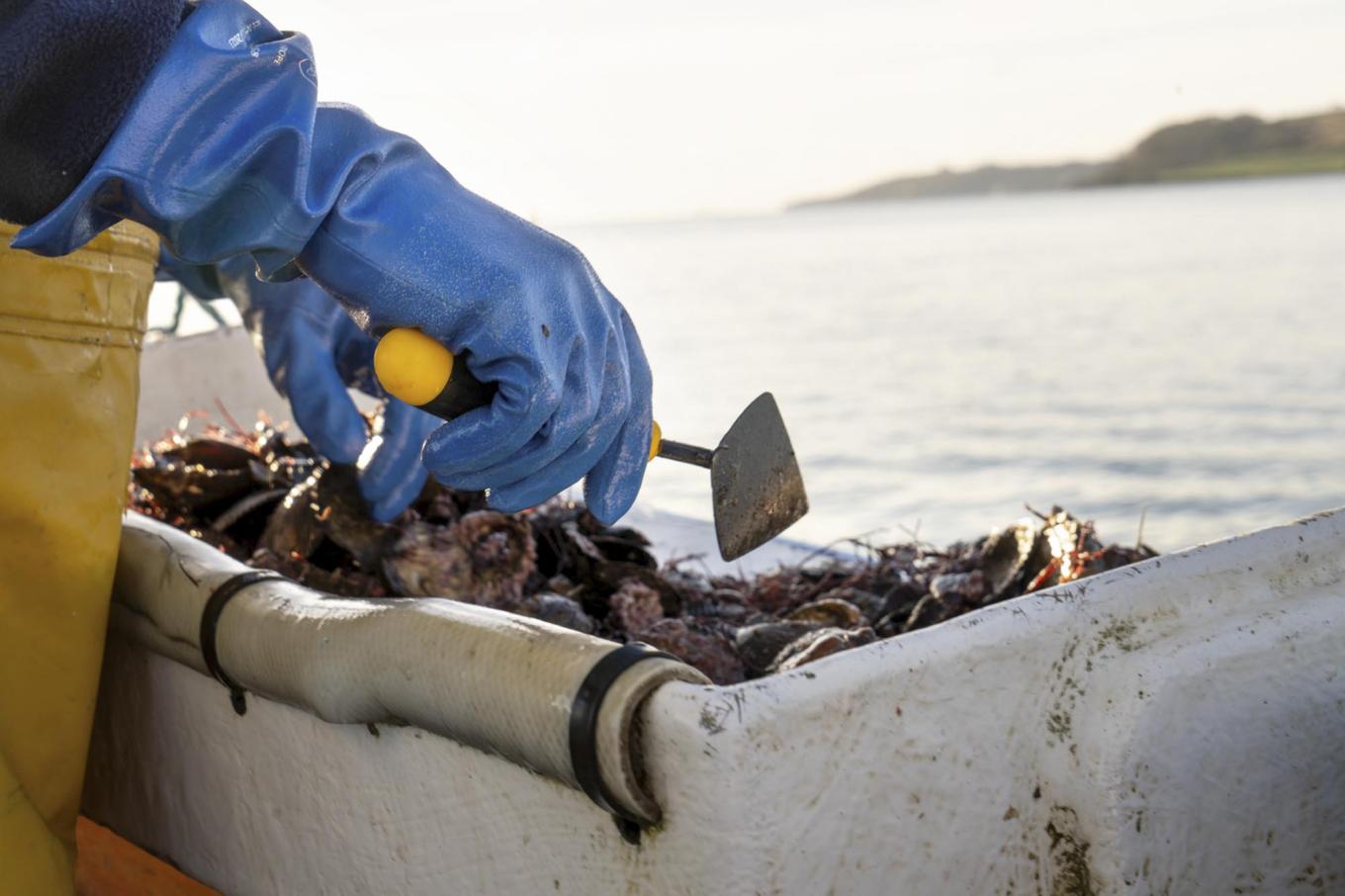
For the sake of the fishery’s ecological health, the work of an oysterman does not commence until 9AM, ends at 3PM on weekdays, 1PM on Saturdays, and on Sundays the water remains unvisited by the working boats. The ecosystem’s health is not the only thing that this rule protects, however, for it is also a built in barrier to the trap of overworking oneself. The parameters set by honoring the very source of this livelihood also ensure the health of the workers, and the balance of their lives. And in the six hours of the day spent on the water, a constant exercise of observation, of decision making, of deep connection to and understanding of one’s environment is carried out. The fifth generation oysterman whose life I had the pleasure of witnessing, Chris Vinnicombe, knew the exact patterns of the seabed, each intricacy, each depth change. He knew how to work with the tide, how to read the wind and set his sails accordingly. His mood was steadily cheerful, his stories of the history of his career brimming with pride, and a touch of remorse for the potential loss of this way of life. He spoke with the simplicity of one who has spent their life doing what they want to do. Having toyed with a career in boat building, a young Chris soon decided with conviction that he just wanted to be on the water, hauling in the day’s catch. Decades later, he wakes up each morning to carry on that mission, welcomed by a small slice of the world that knows him as deeply as he knows it. It is that depth of connection to a place that is sought by many: that sense of belonging and interdependence within an ecosystem.
The Ecosystem
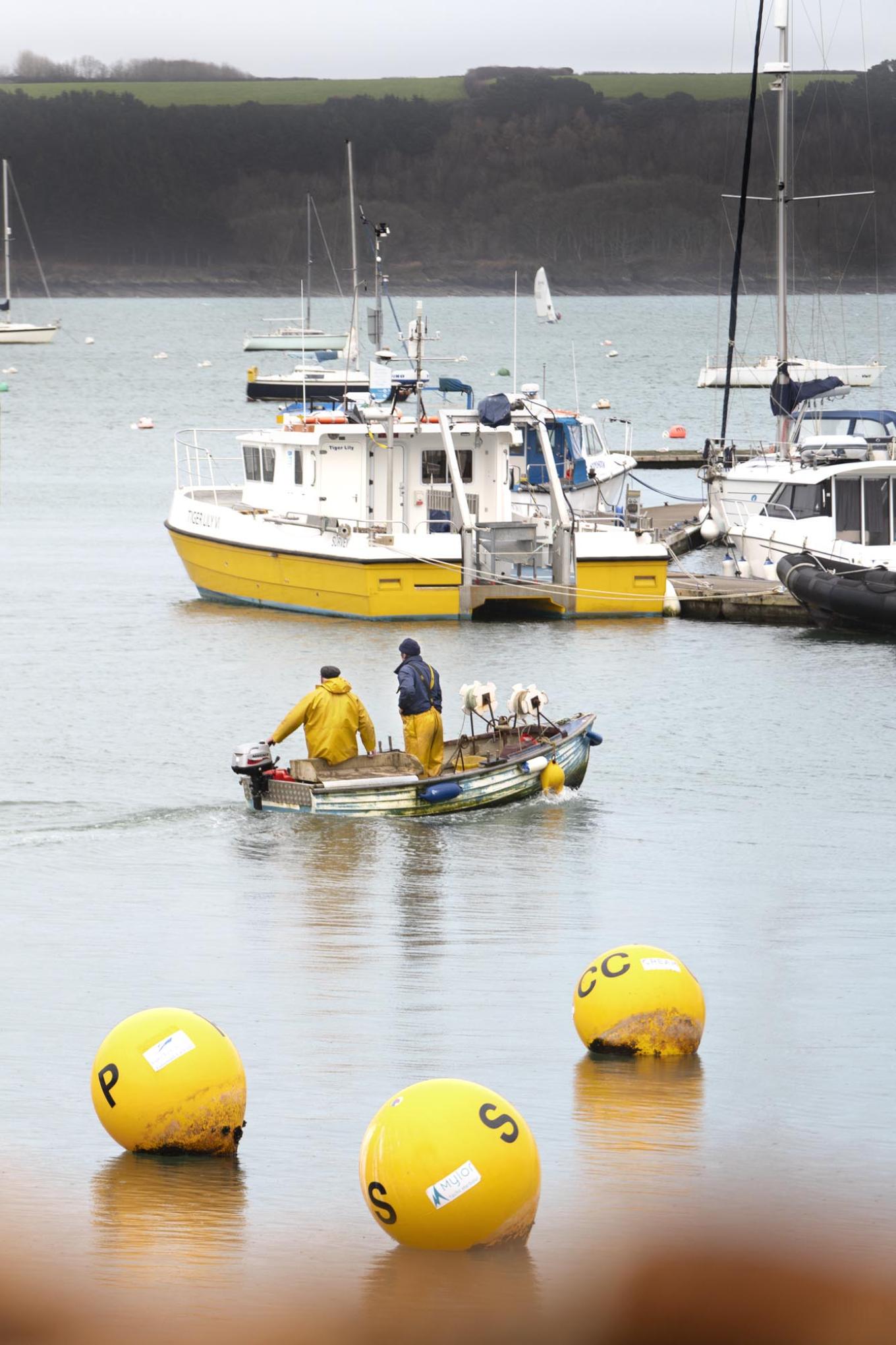
Alongside the oystermen, the other remarkable characters of this story are the filter feeding oysters themselves, and the waters in which they reside. Over the hundreds of years of feeding both local and foreign communities, these European native oysters have been maintaining water quality and ecosystem function all the while. Removing impurities, keeping nitrogen levels in check, and feeding other marine life, the oysters enable the existence of both habitat and industry. It is a testament to the vital mission of engaging with our planet in a way that promotes its own resilience, for its health is our health. By abusing its resources, we shoot ourselves in the foot, and one day our carelessness will catch up with us. But in these places where nature’s gifts are valued, respected, and utilized with intentions bent towards balance rather than extraction, we are reminded that it is not necessary to pillage in order to persist. That in exercising mindful engagement with the environments that sustain us, they will continue to deliver abundance. For as long as there are people seeking soulful, sustainable ways of sourcing their livelihoods, and for as long as the priority of Carrick Roads remains the health of its fishery and its workers, it feels imaginable that this small industry will carry on.
The Catch
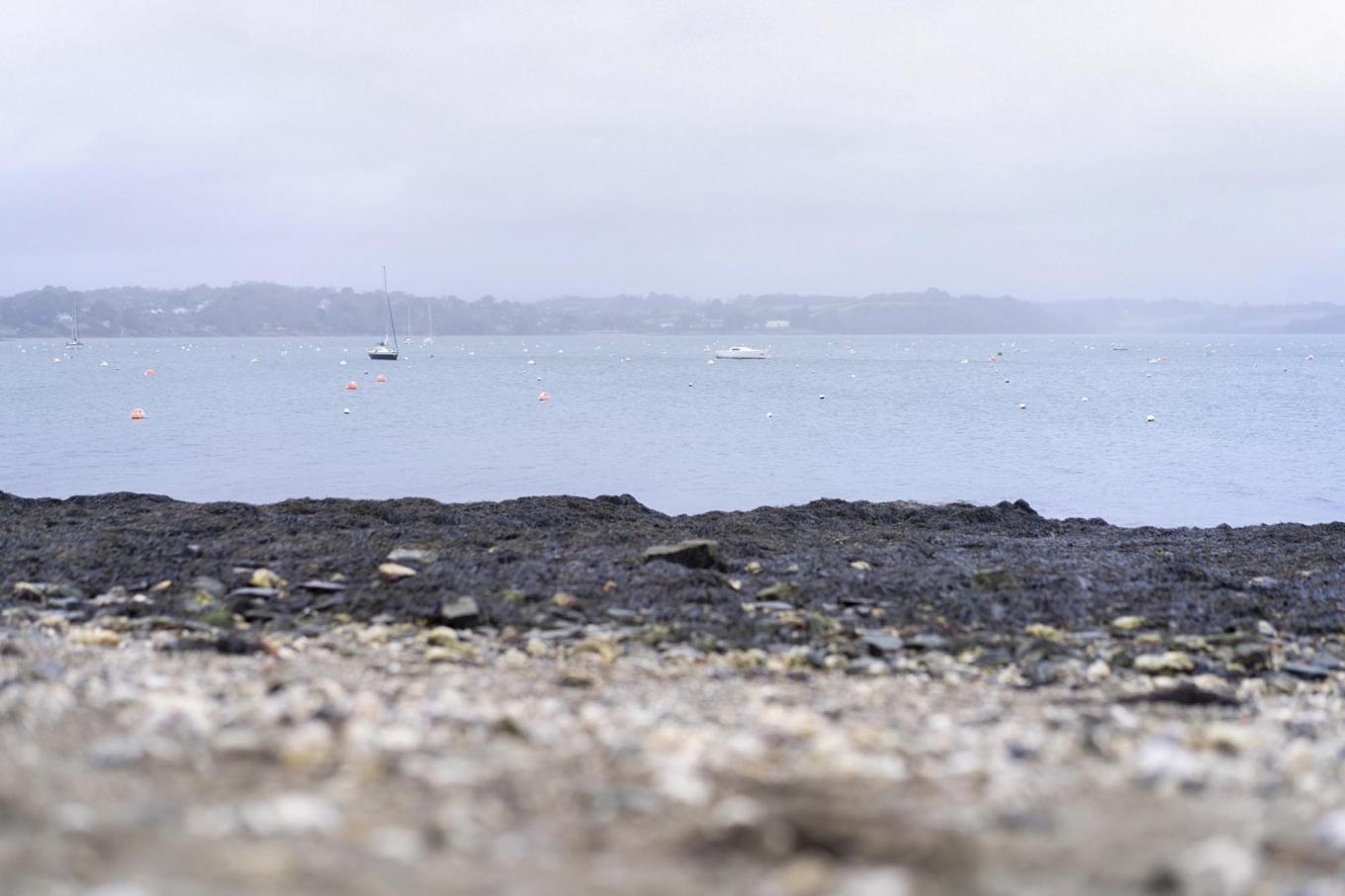
Beyond the fishery exists an extension of this lifestyle and community that comes into play when sails are lowered, boats moored, and oysters bagged. After an extensive purification process to remove contaminants from the filter feeding creatures, the catch is distributed among local fishmongers as well as larger grocery stores, restaurants, and suppliers across the country. However, each year, part of the catch is kept for the Falmouth Oyster Festival, an annual celebration of Fal’s working boats and the men and women who keep them out on the water. The event brings the community together to enjoy the briny taste of the river Fal’s oysters against the backdrop of sea shanties and dancing, alongside a pint or two. It symbolizes the unity between the ecosystem, the history, and the culture of a group of people and their place. The gathering is an homage to the oystermen, the community’s response to the oystermen’s call to keep tradition alive. It says, ‘We celebrate your work, your persistence, your calling. It matters to this community and it will not be forgotten.’
The Details
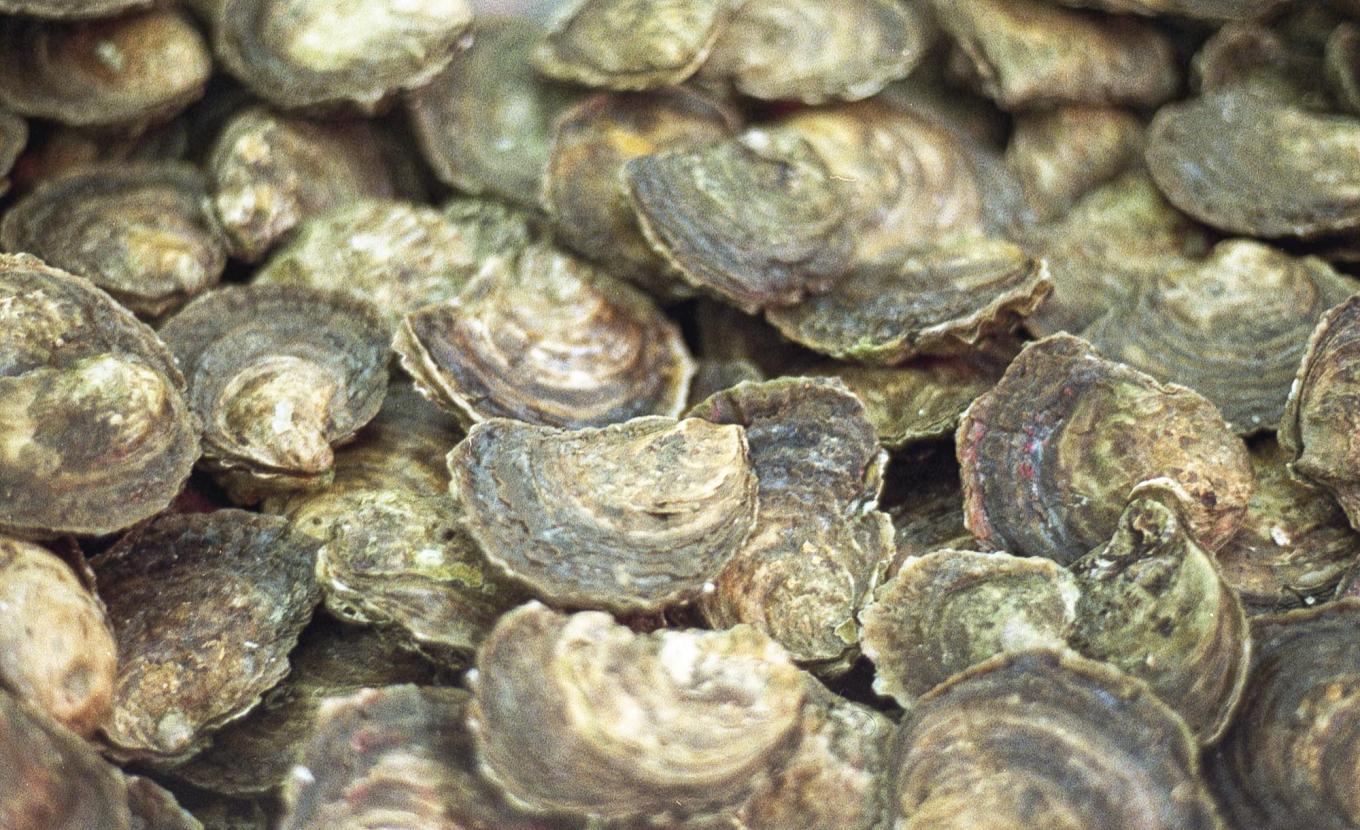
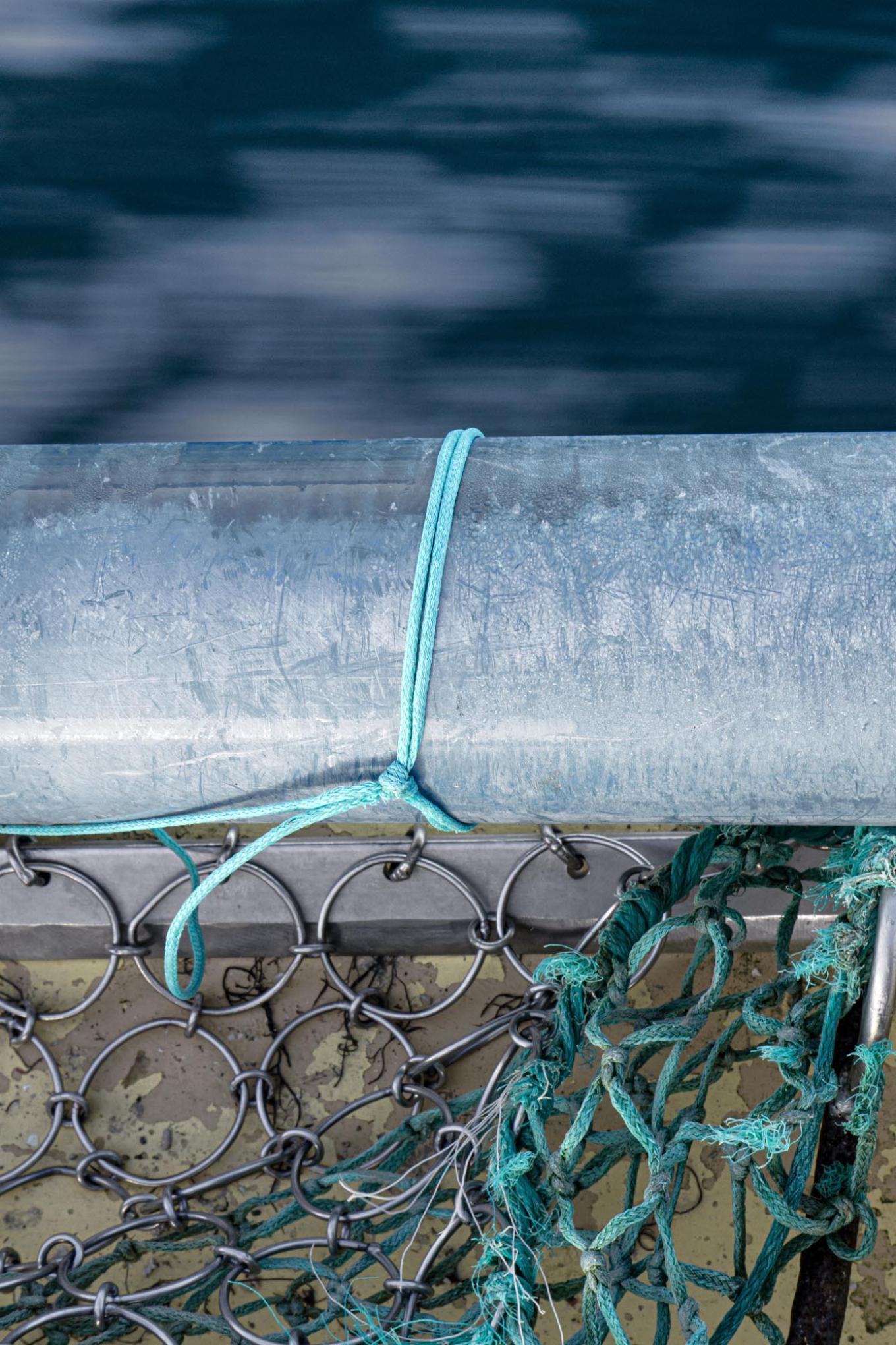
Details, rather than the large, shiny milestones of life, are so often the most impactful tokens of our conscious experience of the world. The shimmer of early sun on navy blue water; the thousands of intricate and entirely unique patterns on oystershells; the sounds of seagulls mingling with the splashes and clanks of the work on board: Those are the memories, the small miracles, that the mind and the soul will wrap into themselves and become one with. It is hard to imagine a life as gratifying as one full of beautiful little details, in which moments easily overlooked are instead recognized and appreciated.
When looking back in time, one can appreciate the extraordinary resilience of the traditional oystering fleet of Carrick Roads. One can learn and engage with a rich slice of culture, and realize the depth that one small piece of our planet can hold. Yet in looking forwards, we are faced with the question of whether this way of life is sustainable, whether there is enough room for a simple, steady livelihood within a context of economic hardship and an increasingly globalized, capitalist society. The answer is not yet ripe for us to know. But there is room for belief, for hope, for hubs of perseverance and dedication to the wisdom of older ways. And perhaps this will be enough. The pursuit of presence, the embodiment of belonging, and the appreciation of small miracles, practiced by enough willful souls, may be just what the world needs, and could keep this fishery alive today, tomorrow, and over all the days that follow.