
Wilding: A 50-year vision to transform 65 million acres of land into thriving, biodiverse and interconnected corridors
GET IN TOUCHWe are Wilding
Wilding is a long-term regenerative agriculture strategy led by Mad Agriculture to reconnect lands and ecosystems across the United States. At its heart is the Wild Grid, a 50-year vision to transform 65 million acres of land into thriving, biodiverse, interconnected corridors that weave together farmland, conservation areas, and private and public lands. Built in collaboration with farmers and partners across conservation, corporate, philanthropic, and utility sectors, Wilding treats habitat as essential infrastructure.
The Wild Grid is designed not only for ecological continuity, but for economic viability. By focusing on marginal acres that already underperform, we reimagine interruption as opportunity, creating new revenue through ecosystem markets, perennial agriculture, and improved farm performance driven by ecological function. Habitat that functions like infrastructure must be financed and supported like infrastructure.
It begins in the margins, where restoring ecological function becomes the foundation for reconnecting fields, waterways, and wildlife.
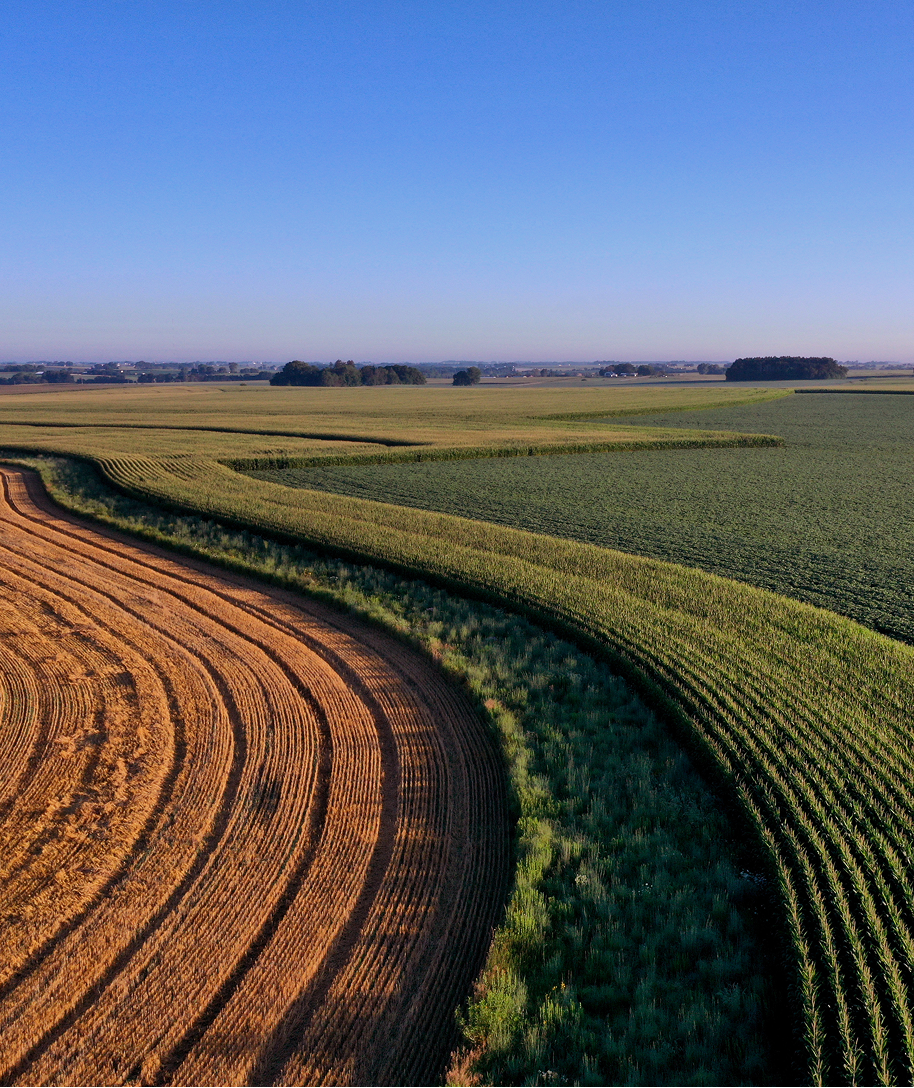
Wilding The Edges of Agriculture
Across farm country, fragmentation has become the norm. Remnant prairies and conservation areas sit isolated amid oceans of row crops, while powerlines, roads, and drainage systems cut across once-continuous habitats. Fragmentation reduces the quality and continuity of habitat through the loss of biodiversity, water quantity and quality, and soil erosion. The result is a landscape that works hard, but struggles to support the full web of life: pollinators, wildlife , soil organisms, and the water cycles that keep it all moving.
Wilding addresses this challenge by blending farming, conservation, and infrastructure design to create biodiversity corridors running through working lands. It is not about turning back the clock to a prehuman wilderness, but about embracing our role as ecological keystones and designing post-industrial, working landscapes that are complex, connected, and alive.
Dive deeper through our ongoing Substack series:
Part 1: From the Margins: Wilding the Edges of Agriculture
Part 2: The Wild Grid: Field Margins as a First Step
Part 3: The Wild Grid: From Margins to Networks
Part 4: The Wild Grid: Living Continent
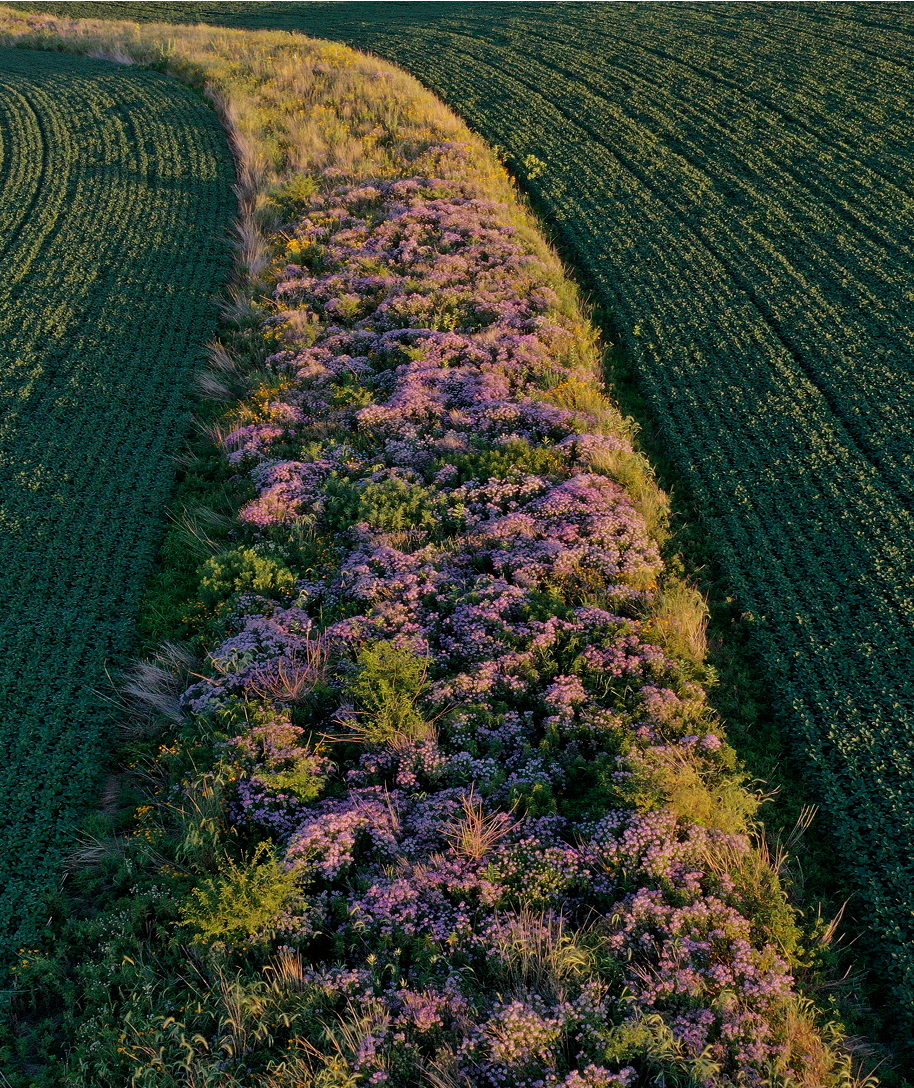
The Wild Grid: A gateway to large-scale transformation
The Wild Grid is the map at the heart of Wilding, a 50-year vision to transform 65 million acres of land into thriving, multi-use biodiversity corridors across the United States.
On these acres, we will design and construct high-diversity habitats using regionally appropriate native seed, alongside ecological practices such as rotational grazing and prescribed fire. We prioritize connectivity: linking private working lands with public reserves, utility corridors, and remnant habitats so that wildlife, water, and nutrients can move freely again. We aim for multi-functionality, so that these spaces generate ecological value alongside economic value.
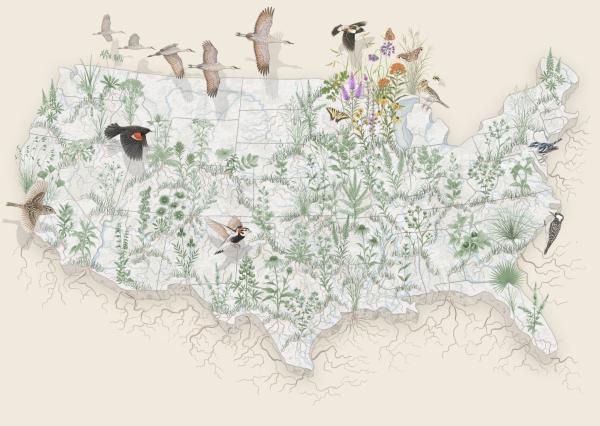
Check out our white paper that dives into the science and vision behind the Wild Grid.
The Wild Grid focuses on:
Working lands
regenerative farms and ranches ready to integrate native prairie, savanna, silvopasture, and perennial systems into their operations.
Marginal and subprofitable acres
steep slopes, wet corners, saline patches, and end rows where costs are high and yields are low.
Existing infrastructure
powerline easements, railways, ditches, rivers, trails, and rights-of-way that already stitch the landscape together.
The Wilding Pilot
To begin building the Wild Grid, we are starting in the Driftless Area of Southwest Wisconsin, home to globally significant grasslands and some of the best remaining potential for large-scale prairie restoration in the Midwest.
In partnership with Whole Foods Market, a coalition of 20 mission-aligned brands, and over ten technical partners, the Wilding Pilot is a three-year effort to construct 1,000 acres of high-diversity prairie, pasture, and savanna on marginal cropland. These acres are being strategically placed to link regenerative farms, public lands, and rights-of-way across the Lowery Creek watershed and the broader grassland and stream conservation area.
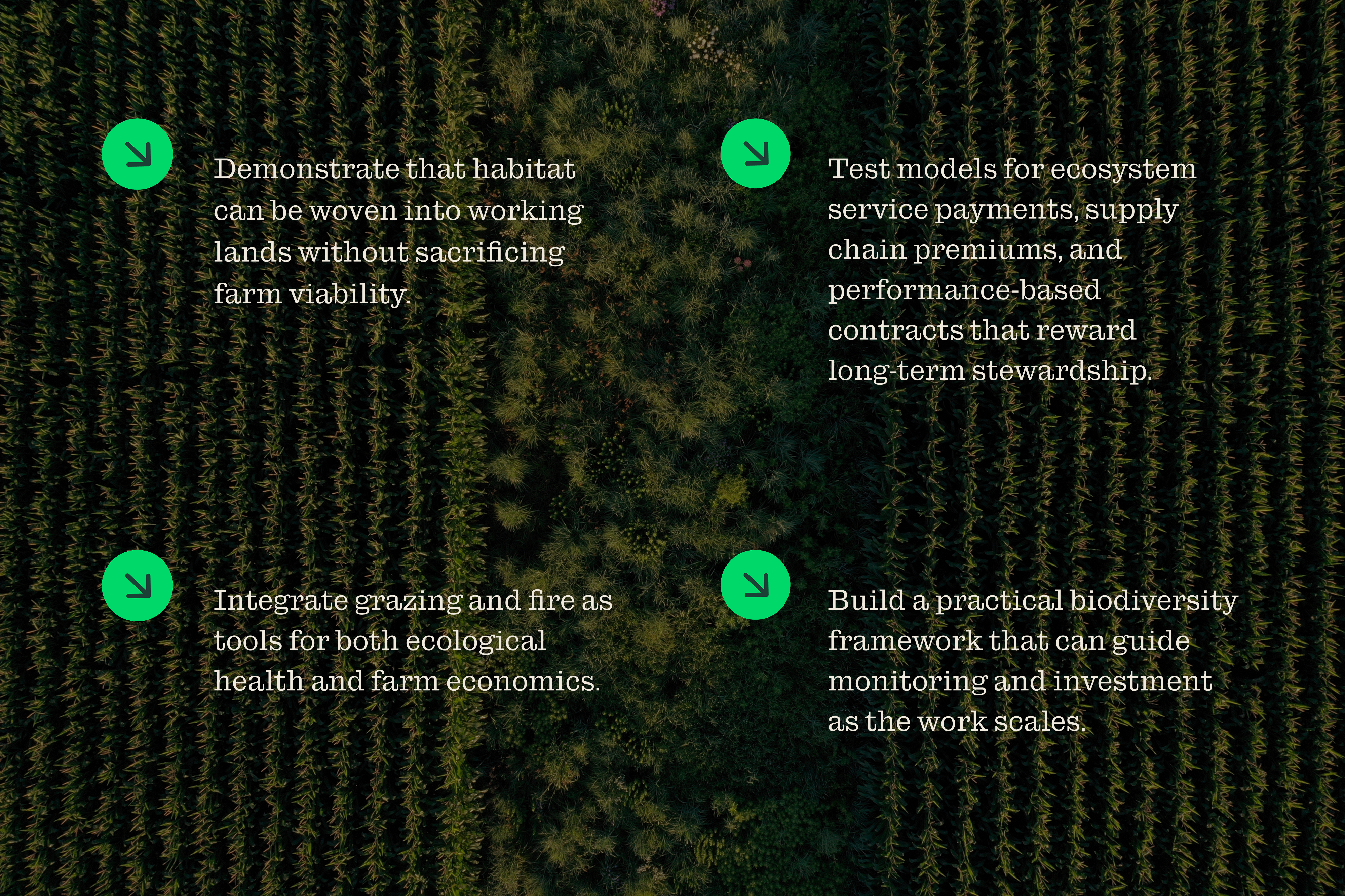
The Wilding Pilot is designed to:
Our Wilding Brand Partners



.png)


The non-profit National Geographic Society also advances this work through its support of Wilding Director Omar de Kok-Mercado, a National Geographic Explorer with the Food for Tomorrow program, a collaboration between the Society and PepsiCo.
There’s a Place For You on The Wild Grid
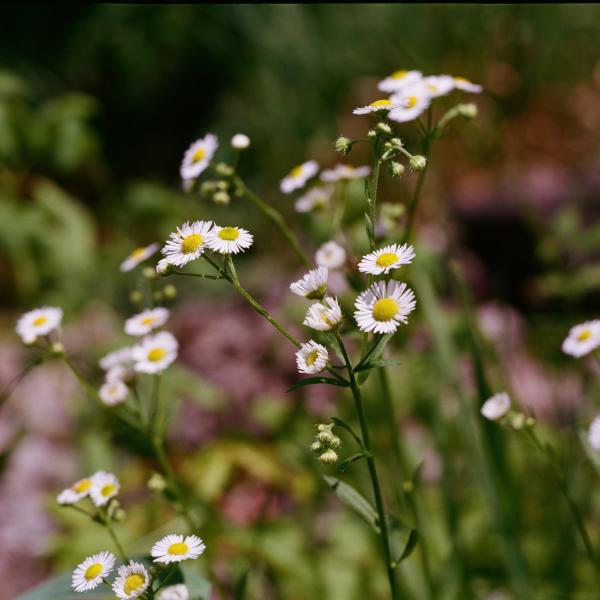
For farmers and land stewards:
Wilding offers a pathway to turn marginal acres into resilient, income-supporting habitats with technical guidance and market-aligned incentives.
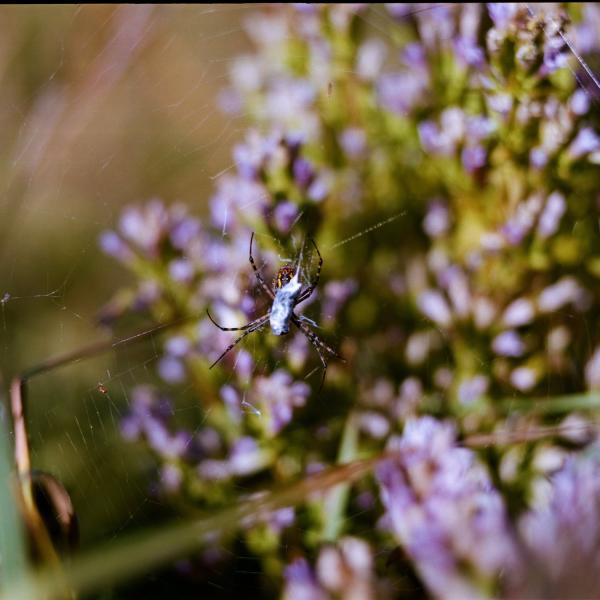
For brands, corporate partners and donors:
Wilding is an opportunity to invest in the ecological infrastructure our food systems depend on, helping rebuild the shared landscapes that sustain water, soil, biodiversity, and rural communities.
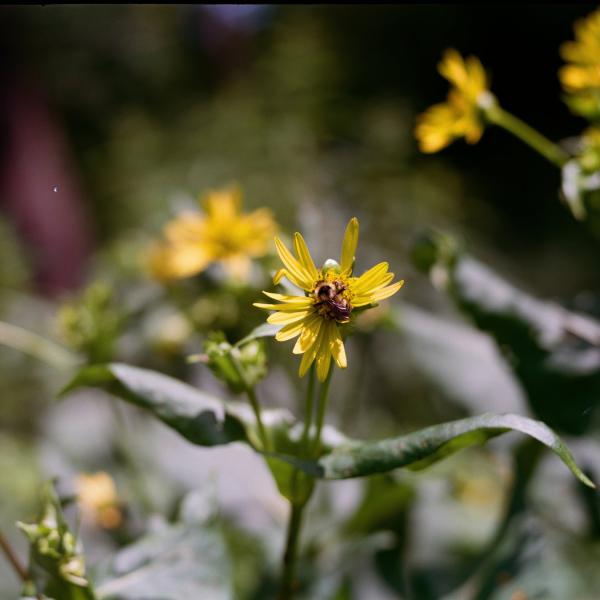
For conservation and technical partners:
Wilding aligns science, policy, and on-the-ground practice to accelerate coordinated efforts. In working across farms, conservation areas, and watersheds, place-based efforts can scale.
Join us in stitching together the Wild Grid, one farm, one partnership, one acre at a time.
Get in touchPhotos by O. de Kok-M. Mad Ag, Courtesy of IA State University