
The Mad Agriculture Journal
Saved by a Deer
Published on
June 22, 2026
Words and photos by
Chiara Zonca
My work always starts with feeling. It’s instinctive, almost primal, when something clicks. The act of taking a photograph happens in that raw state. When I’m alone in nature, I pay attention to what solitude does to me and respond to whatever stirs something within. I’ve come to understand that being in wild places, with very few people around, is essential to my process.
Then I let time do the rest. I don’t look at the photographs for months, almost forgetting about them entirely. When I begin to miss the places and the emotions I felt, that’s when I return to them, scanning and editing. If I feel I’ve captured not the land itself but the sensation of it, then I know I’m onto something. What pulls me is the desire to create images that feel immersive, that honour the sanctity of a place and the humbling experience of being there.
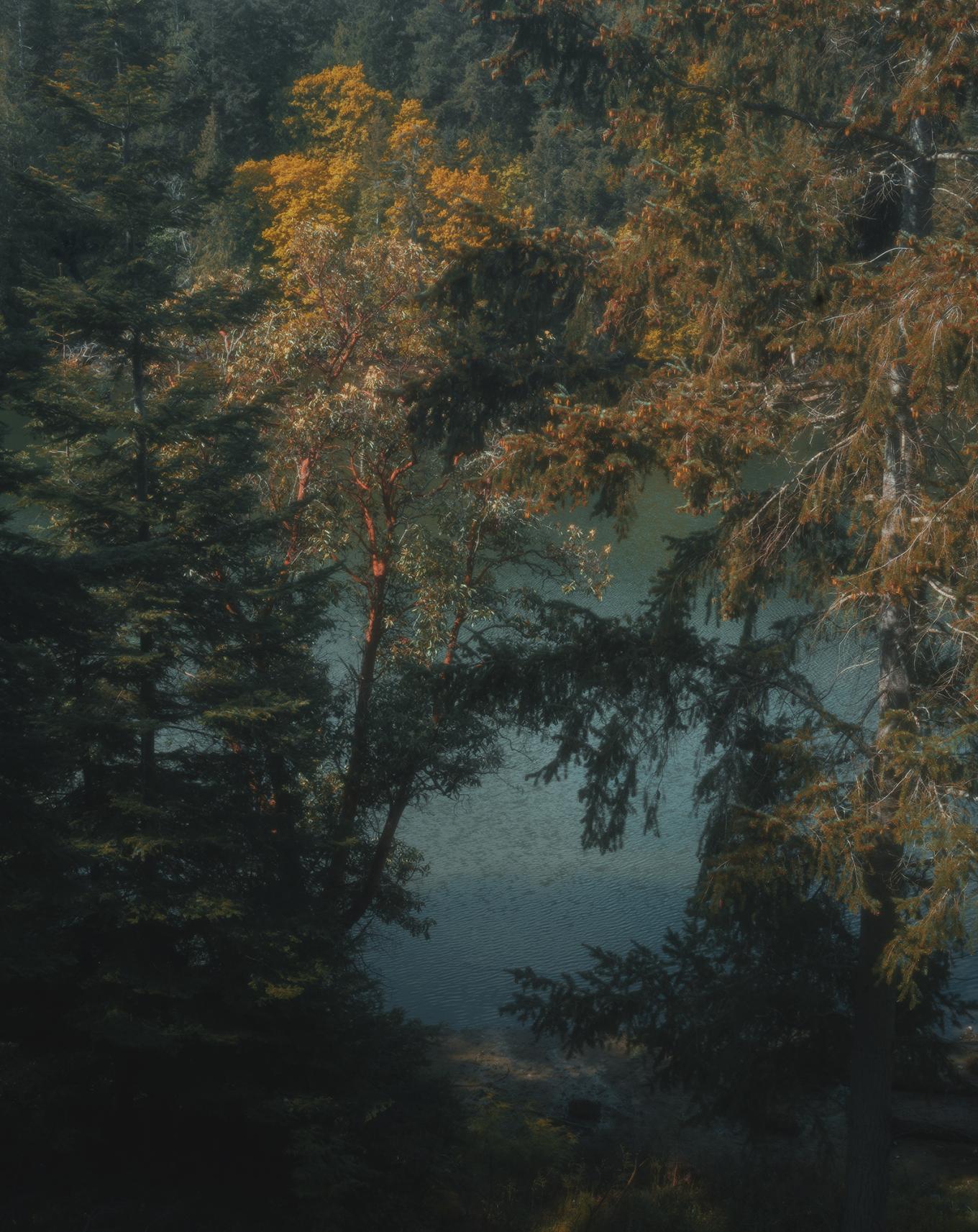
My relationship with photography began as a way to highlight the beauty of the natural world. Over time, it shifted into something more personal, the focus slowly turned inward. In many ways, I feel like I am photographing myself through the landscape, documenting my awe for it. Or perhaps, more accurately, I am part of it. My perception is what brings the landscape to life. Through it, I begin to recognize parts of myself. I find that idea both strange and deeply compelling.
I think of my photos as small, connected fragments, like a forest’s underground root system. I can’t be the only one who needs wild nature to function, mentally and physically. Or the only one who feels grief at the lack of care for the Earth and exhaustion at the way society is failing both people and the natural world. But even if I were, I’d still tell my story through these images. Once the photographs are out there, people can meet them in their own way. Their experience and mine start to overlap and somewhere in that, something universal can emerge.
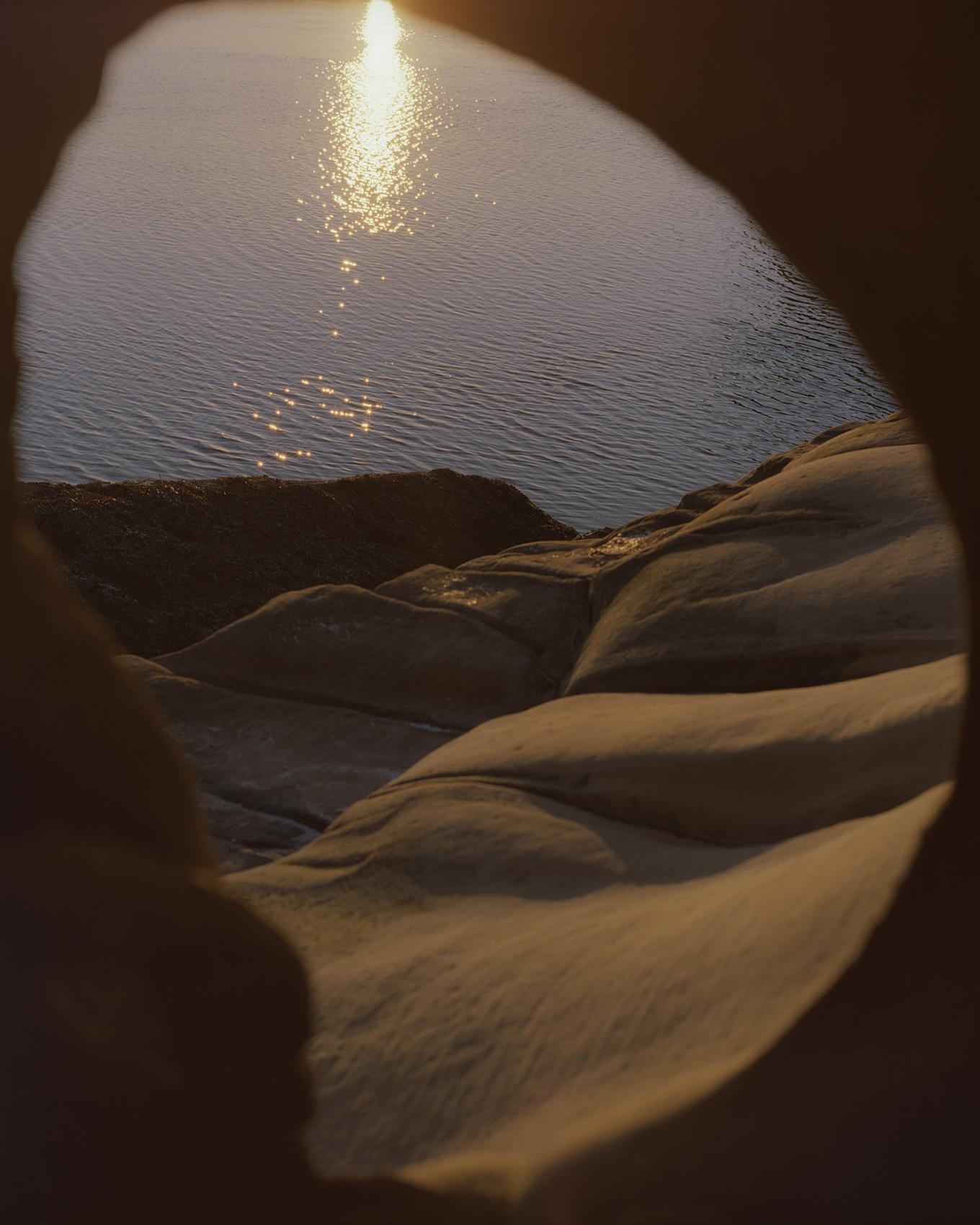
This project began in 2020, during the COVID-19 pandemic. I was living in a city, suddenly unable to leave my small apartment. I lost my job and, in many ways, my sense of direction. For someone used to traveling for work, spending time in wild places, it was a shock.
After six months, I had slipped into what I can only describe as a numb, dark void. I stopped taking photographs. I was barely existing. There were moments where I became afraid of my own thoughts. I had a growing sense that the absence of nature was at the root of it.
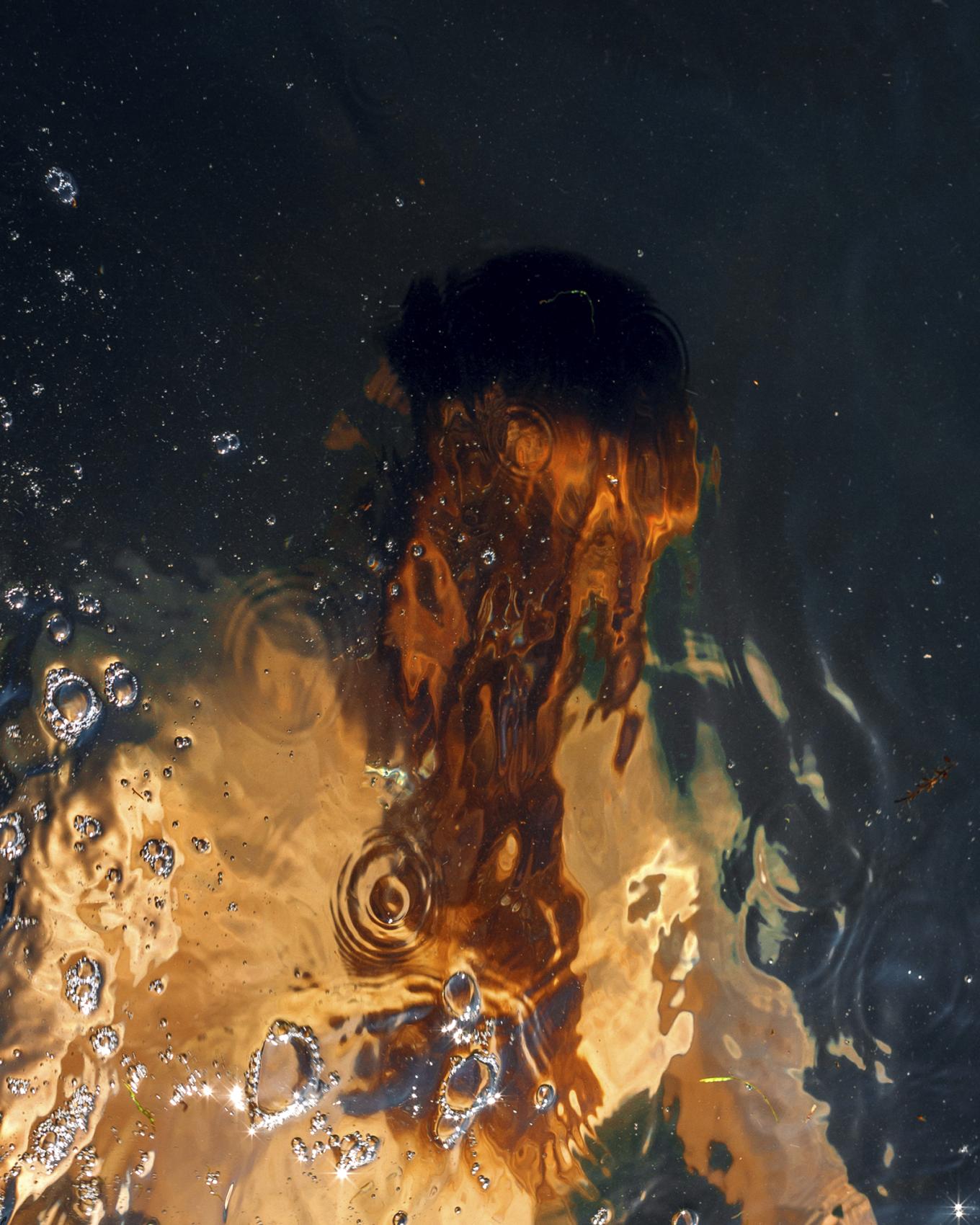
Out of fear, and maybe a bit of recklessness, my partner and I decided to move to a place we had dreamed about for years: coastal British Columbia, to a tiny island that had captured my heart. Finding a long-term rental wasn’t easy. We moved around at first, slowly connecting with people, until eventually we secured a lease on an old cabin overlooking a shallow bay. It wasn’t particularly well maintained, but it had large southwest-facing windows and beautiful light.
That first month, I was just relearning how to live. Moving slowly from room to room. Reading for hours on the patio. Letting the sun and the ocean air soften things. The island was quiet. Most people stayed home, so nature became our main companion. Life gradually became simple again. Forest walks and cold water dips replaced afternoons spent in bed, scrolling endlessly. Every day brought visitors: bald eagles fishing, a pregnant raccoon crossing the patio, noisy otters splashing in the water. And of course, the deer.
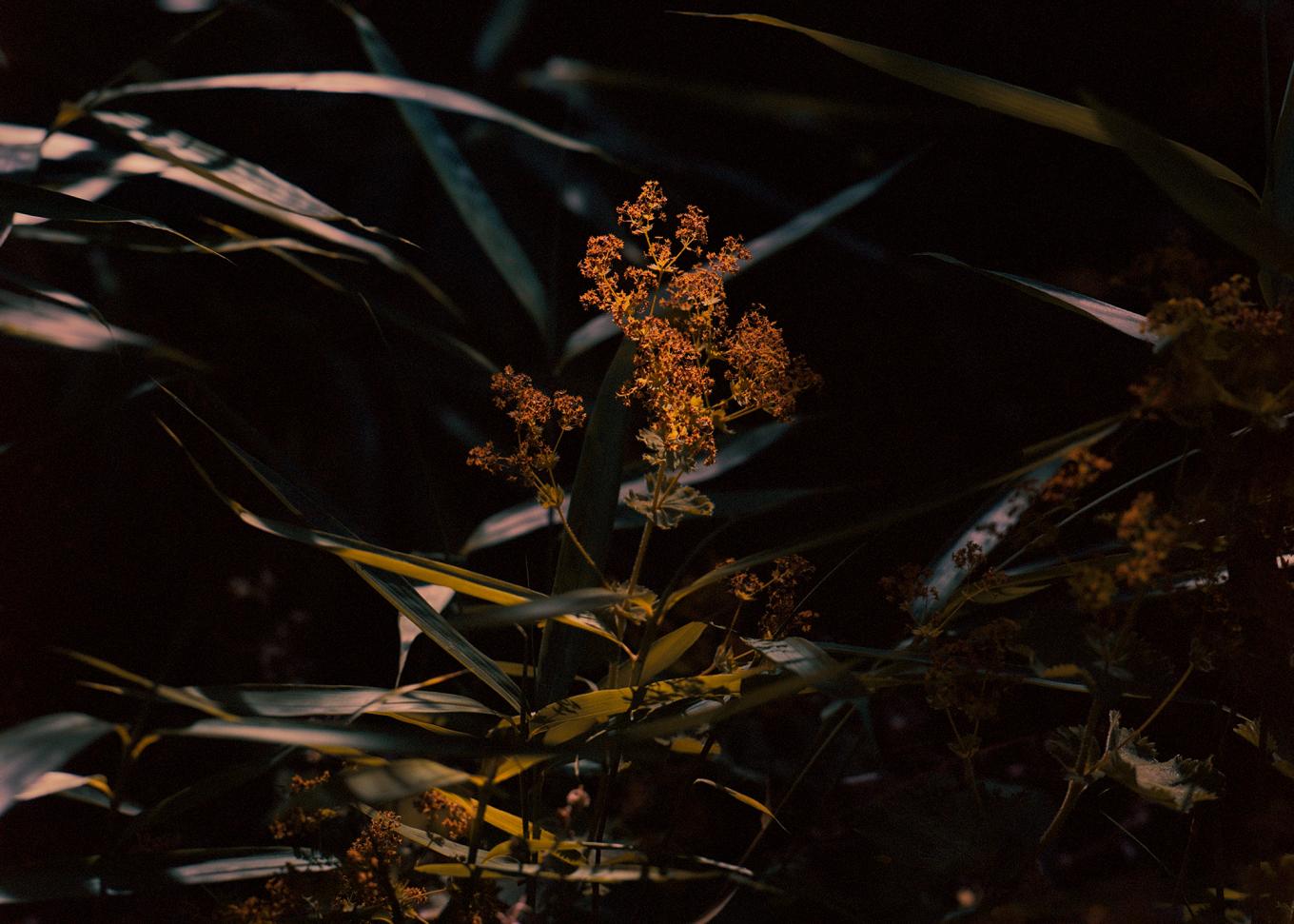
One late spring afternoon, I noticed a fawn lying in the grass just below the cabin. It was alone, which worried me at first. After some research, I learned this is common, mothers will leave their young in a safe place while they forage. I looked back at the fawn, its white spots glowing softly in the afternoon light and, for a brief moment, our eyes met.
I remember thinking: we are not so different. Both resting. Both held by the forest. Trying to find our footing again in a world that didn’t feel familiar anymore.
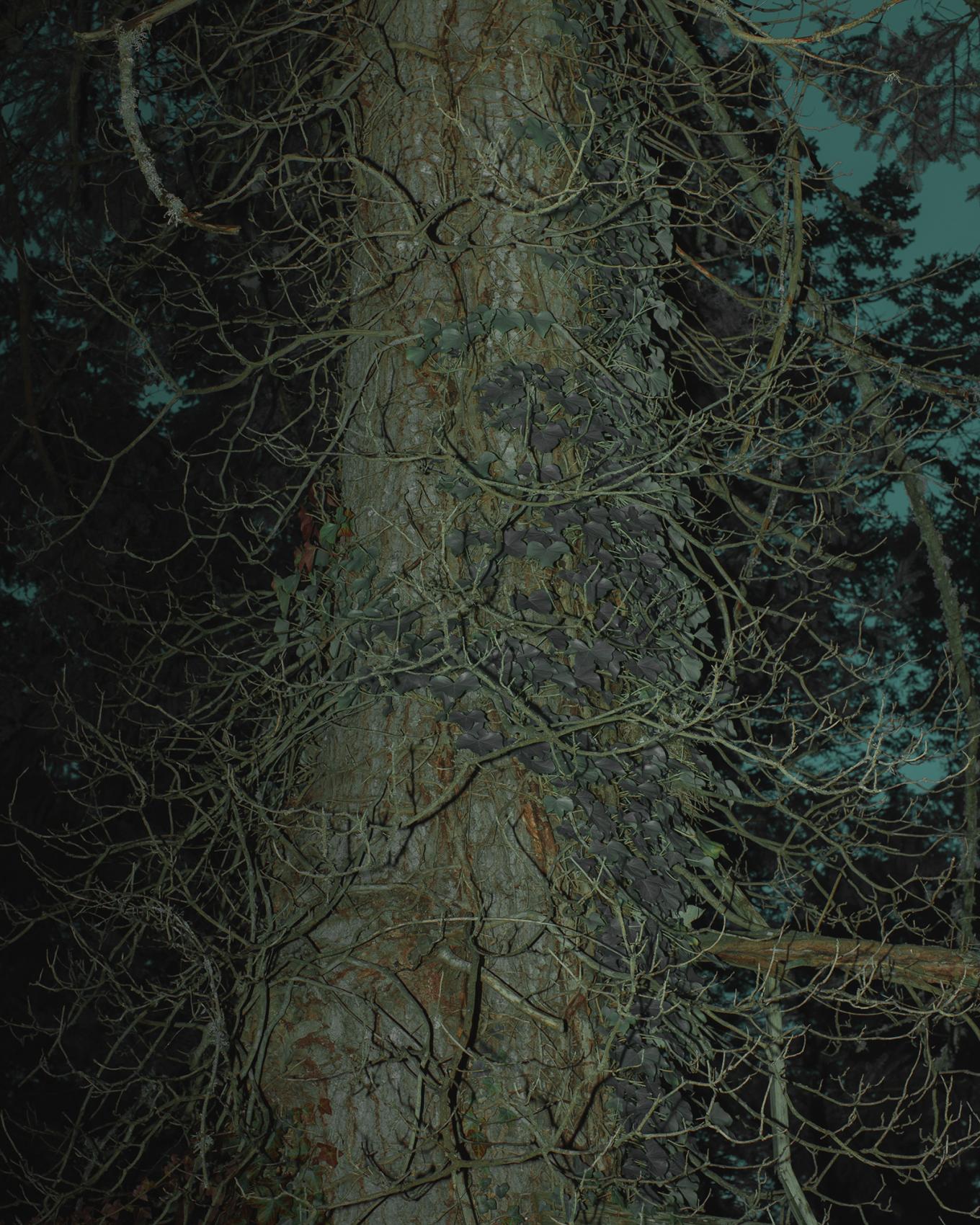
After a few hours, it was gone. And I picked up my camera again, for the first time in months. I wanted to remember this new life, this place that had slowly brought me back to myself. That moment became the beginning of Saved by a Deer. Six years later, we’ve moved to another island and the project is now turned into a book, but it’s still not finished. I found a sense of home in these woods and I feel the need to keep documenting it.
In those first months on the island, I barely saw anyone. It was lockdown, no tourists and everything felt suspended. Nature carried on as usual. The island has a large deer population, so I kept crossing paths with them. They became a constant presence in my daily walks. More than a symbol, the deer felt like a presence: quiet, gentle. Something that mirrored a part of me. A need to rest, to slow down, to reconnect with something essential.
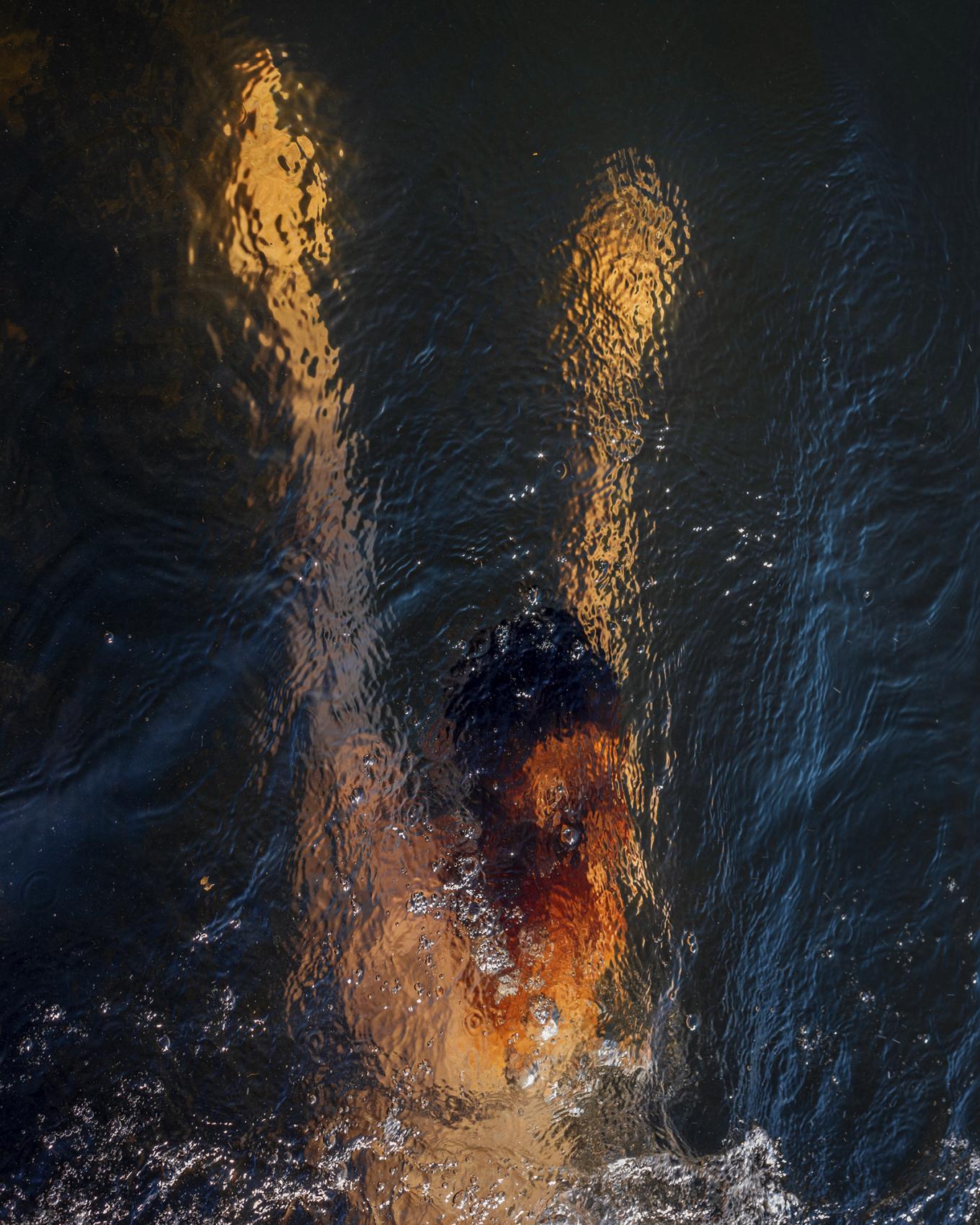
There was a time when
I saw more deers than people.
An island of deers!
We crossed paths on my way to the beach,
In narrow roads, grassy meadows and
through the thickest forests.
Gentle in the warm evening light.
They all seemed to vanish with the sun.
Where are you going? I asked.
Their eyes beaming with wonder and fear.
Unwilling companions to
my solitude delight.
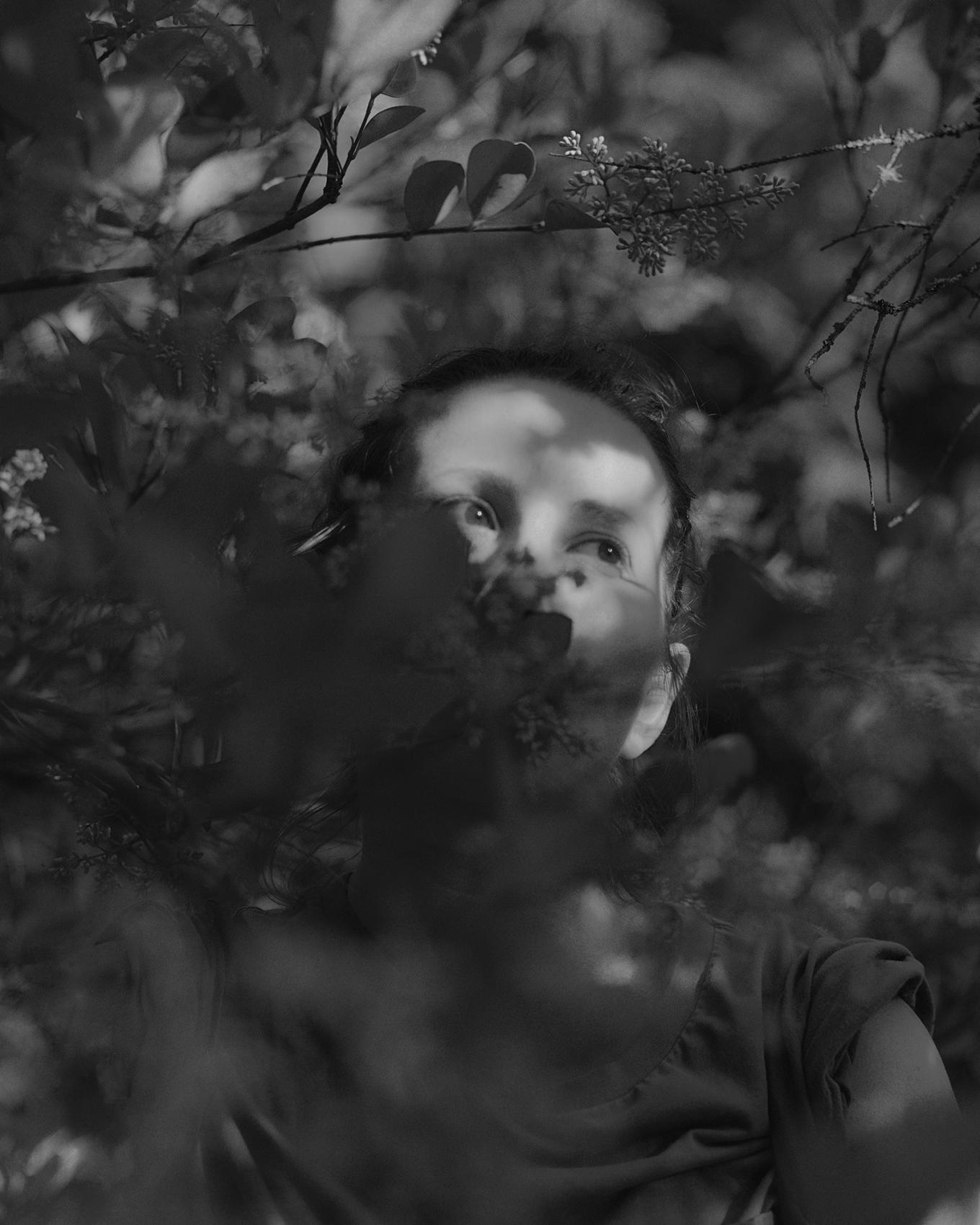
It’s my way of saying that nature shifted something in me. It marked the beginning of a new way of seeing, one rooted in awareness and connection to the land. Before that, wild places were beautiful and soothing, but I hadn’t fully understood how much I needed them. Realizing that has been humbling. Grounding. It puts things back into perspective.
Vulnerability isn’t just part of the work. It made it possible. I had to allow myself to be open, raw. Those lower moments are key to understanding how I see things now and how the forest and the ocean were able to reach me when nothing else could.
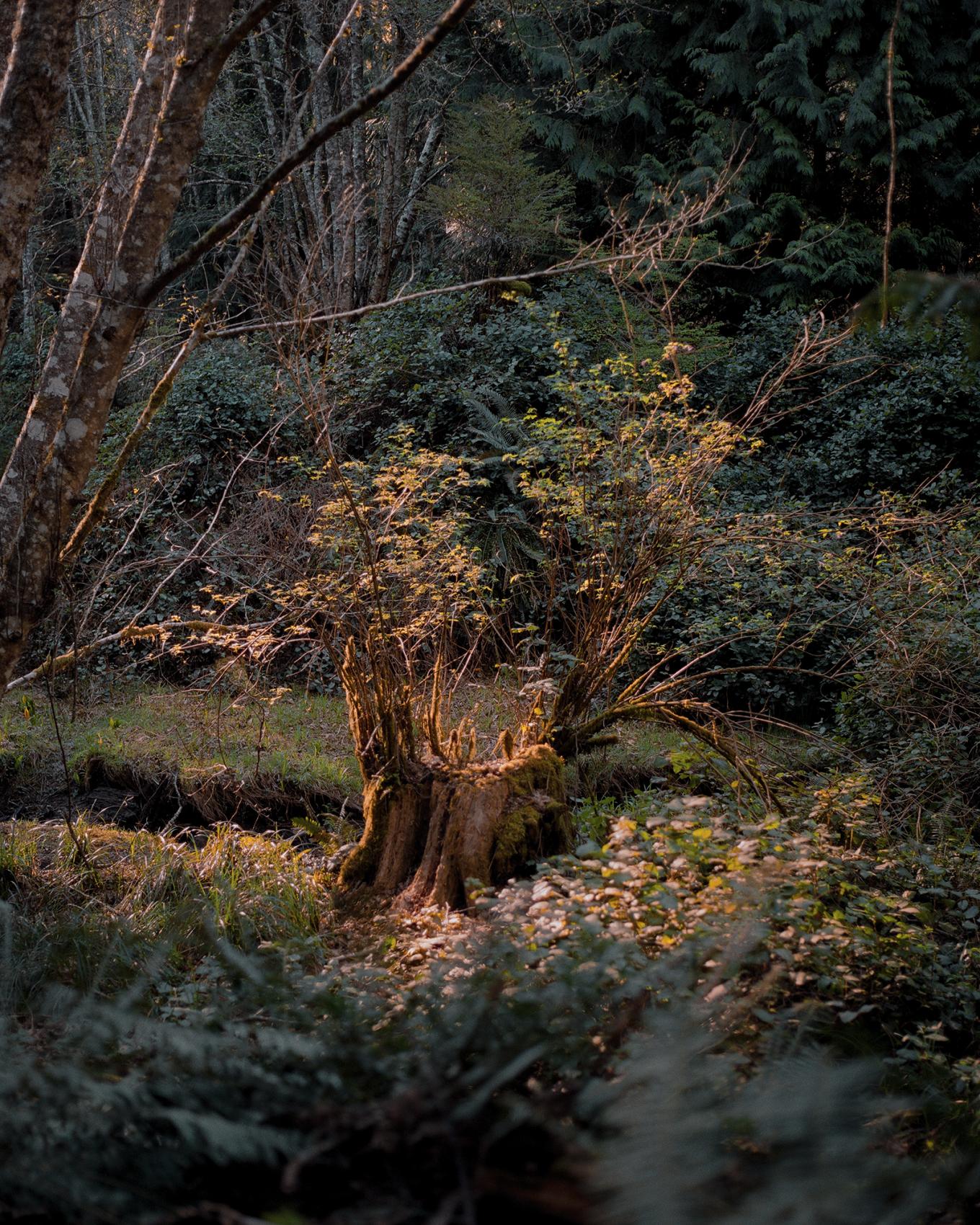
When I photograph, I try to become invisible. Leave no trace, make as little noise as possible, blend in. It’s a delicate balance, but one I’ve grown into. It feels natural to me now. And once the work is out in the world, that responsibility shifts. I don’t share exact locations, it’s a way for me to try and protect these places. Too much has already been exposed. Some wild spaces should keep their mystery, so people can still experience what it feels like to be truly alone in them.
What does the deer understand that we have forgotten? That we are not separate from nature. We are part of it. We depend on it. To disconnect from it, or worse, to harm it, is to turn away from ourselves.