
The Mad Agriculture Journal
In-Row and Between-Row Cultivation
Published on
August 31, 2026
Photos and Film by
Travis Stott
How Tine Weeding Supports Organic Crop Production
Organic agriculture has always been as much a movement as a method: an ongoing effort to build farming systems that support healthy land, viable farms, and good food. For farmers, putting those values into practice requires constant experimentation, adaptation, and a willingness to learn from one another.
In Montana, that spirit of shared learning is helping organic growers tackle one of their most persistent challenges: weeds. “This field day was a culmination of a lot of interest in in-season weed control,” says Nate Powell-Palm, an organic farmer and Policy Director for the Montana Organic Association. In crops like wheat, lentils, and chickpeas, weed pressure can determine not only yields, but which crops farmers are willing and able to include in their rotations.
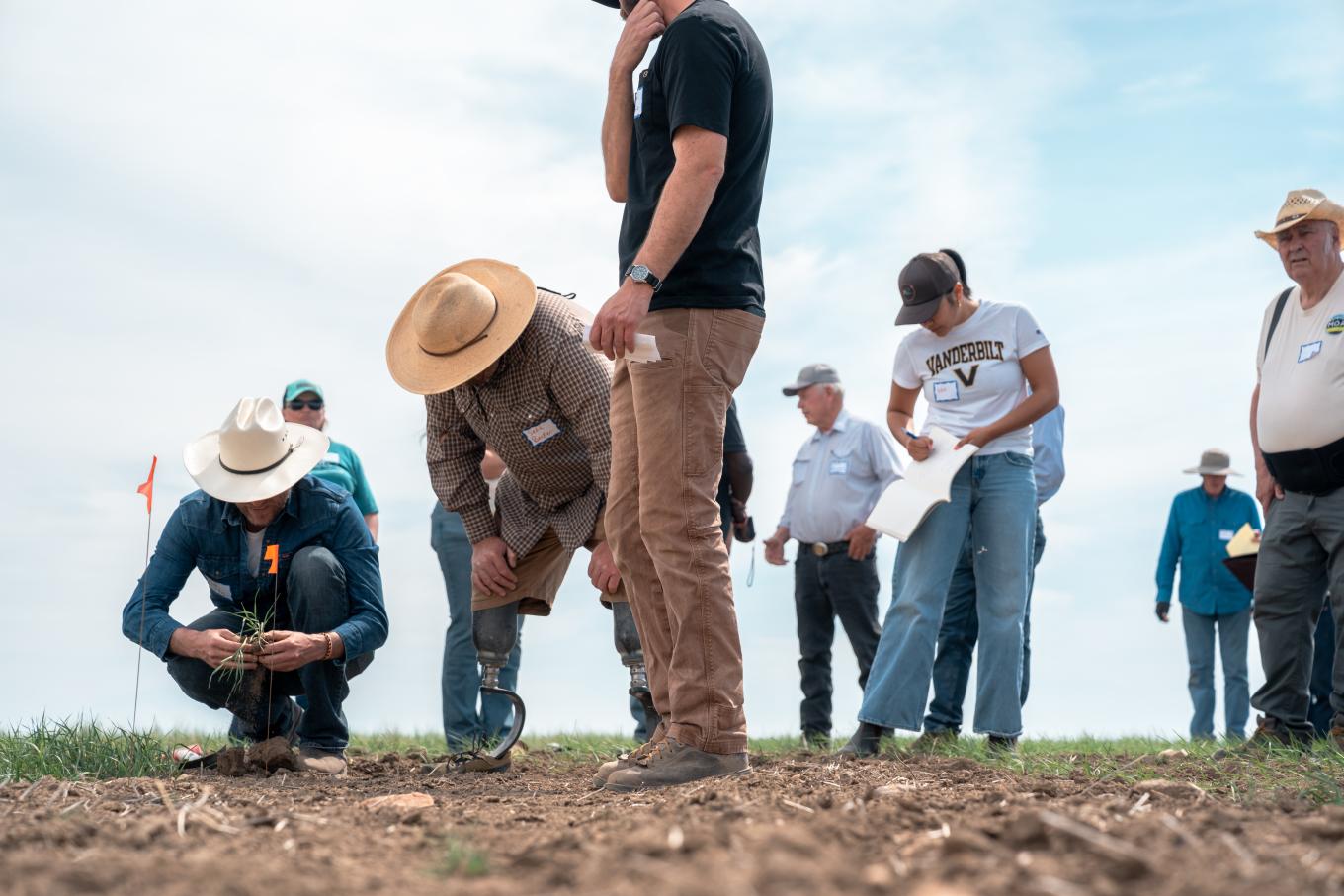
For Michael Deakin, who farms outside Conrad, Montana, that tradeoff is tangible. Pulse crops can fix nitrogen, diversify rotations, and benefit the crops that follow them, yet annual weeds make them difficult to grow successfully. “The only reason I’m not growing more of them is from the annual weed pressure,” Deakin says. More intensive tillage can address those weeds, but it can also disturb soil and increase the potential for erosion. “Organic is basically a value system where we’re trying to do a system that is good for the environment, good for the farmer, and good for the customer,” he says. “How we do that, we are still learning.”
That process of learning is central to the organic movement. At Deakin Farms, Mad Agriculture joined the Montana Organic Association and Timeless Seeds to bring growers together around a shared question: could precision tine weeding offer effective weed control while reducing disturbance to the soil? “We brought the community of organic growers to look at some trials that have been going on at the farm,” says Clark Harshbarger, Mad Agriculture’s Stewardship Director, “and to look at a tine weeder to see if we can do some organic cultivation in pulse crops and spring wheats.”
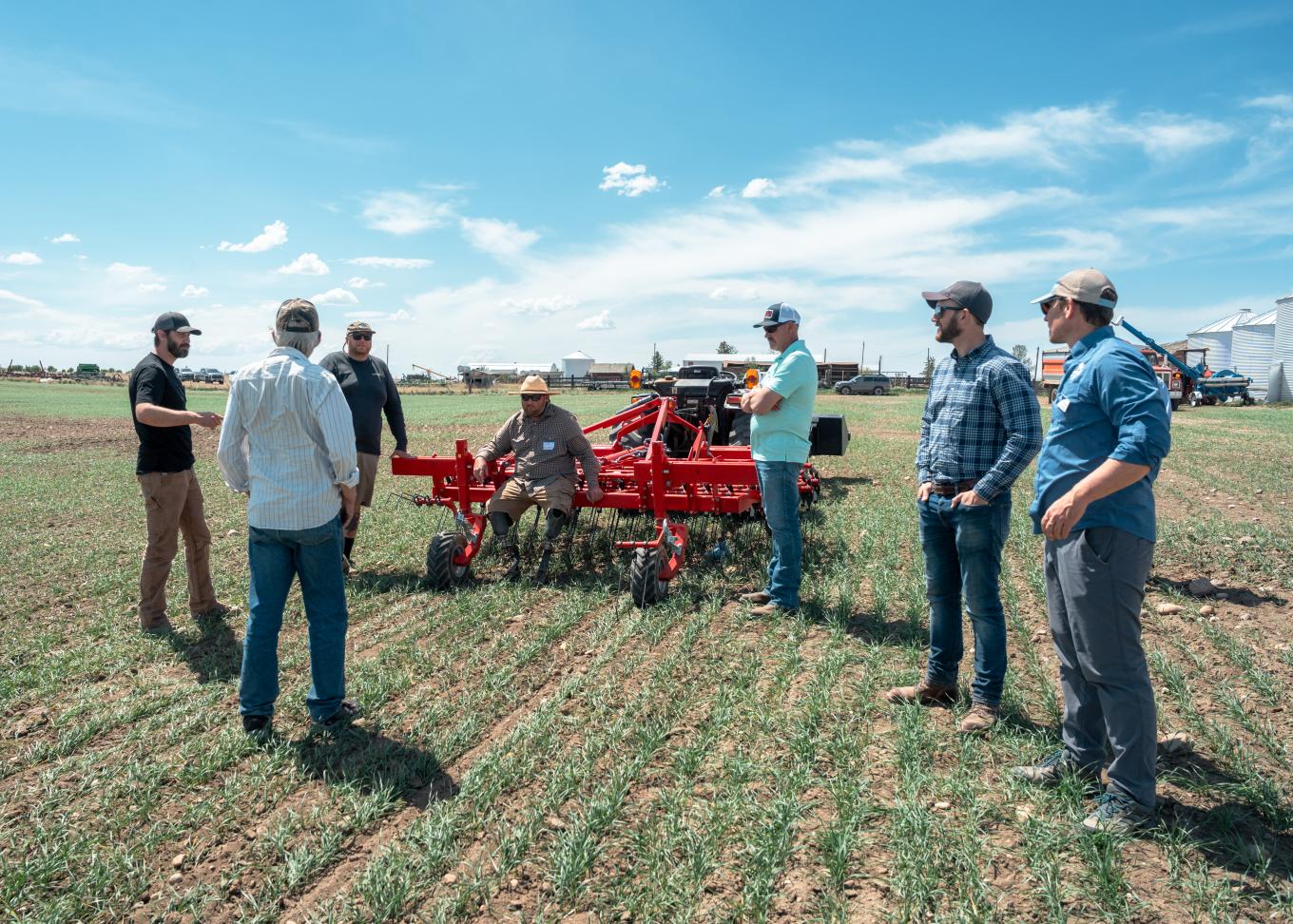
The tine weeder is one tool within a much larger evolution in organic agriculture. Its potential lies in giving farmers another way to manage weeds while keeping roots in the ground longer, protecting soil structure, and making diverse rotations more feasible. The larger work is about expanding the choices available to organic farmers so that ecological health and farm viability do not have to be opposing goals.
As Deakin puts it, the aim is to create something “healthy for the farmer, healthy for the land, and then healthy for the consumer so that everybody wins as much as possible.” That pursuit, and the farmer-led experimentation required to get there, continues to move organic agriculture forward.