The Mad Agriculture Journal
Journal Issue 14: Letter from Phil
Published on
April 16, 2026
Before you read Phil’s letter, it is worth understanding where it comes from.
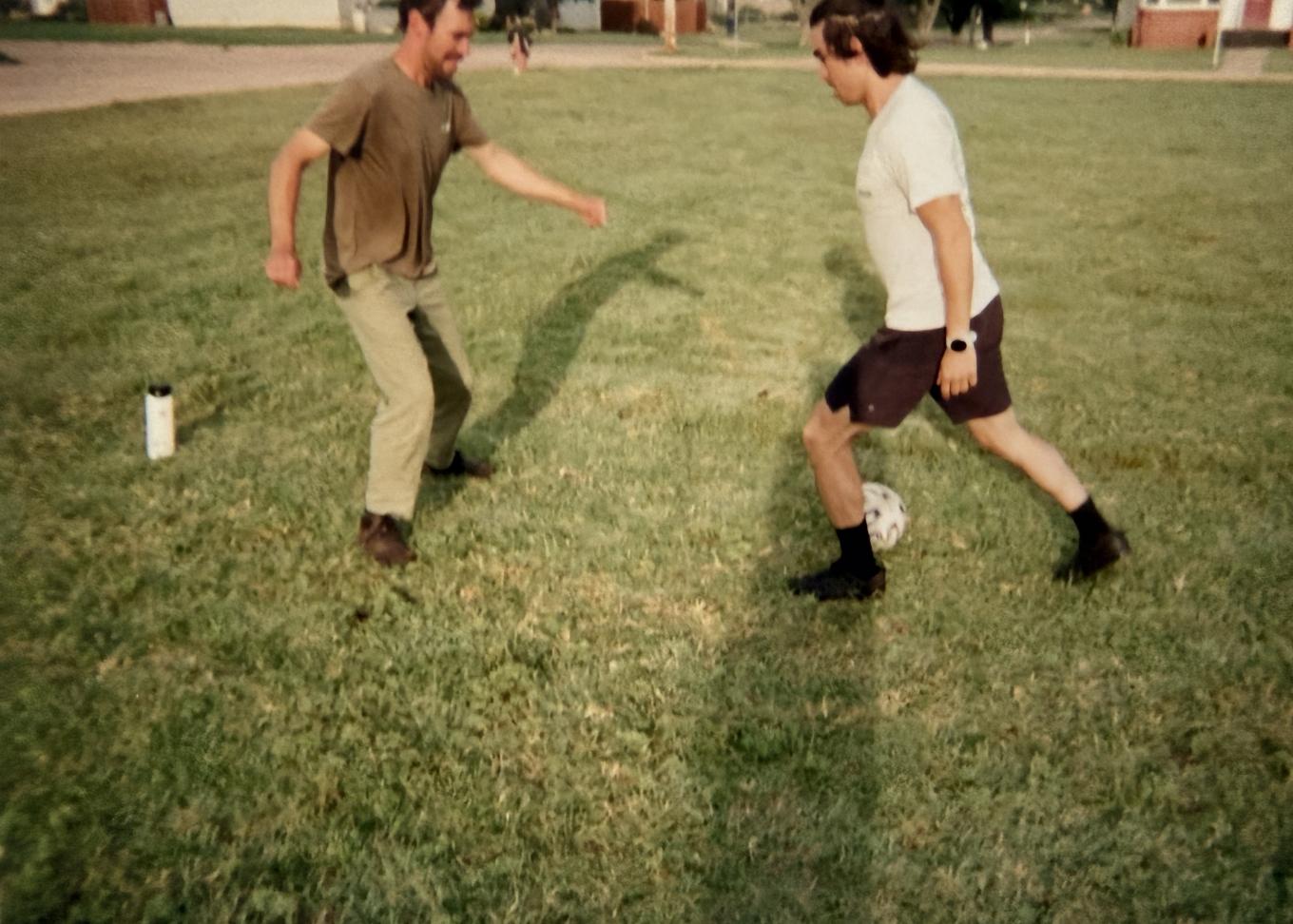
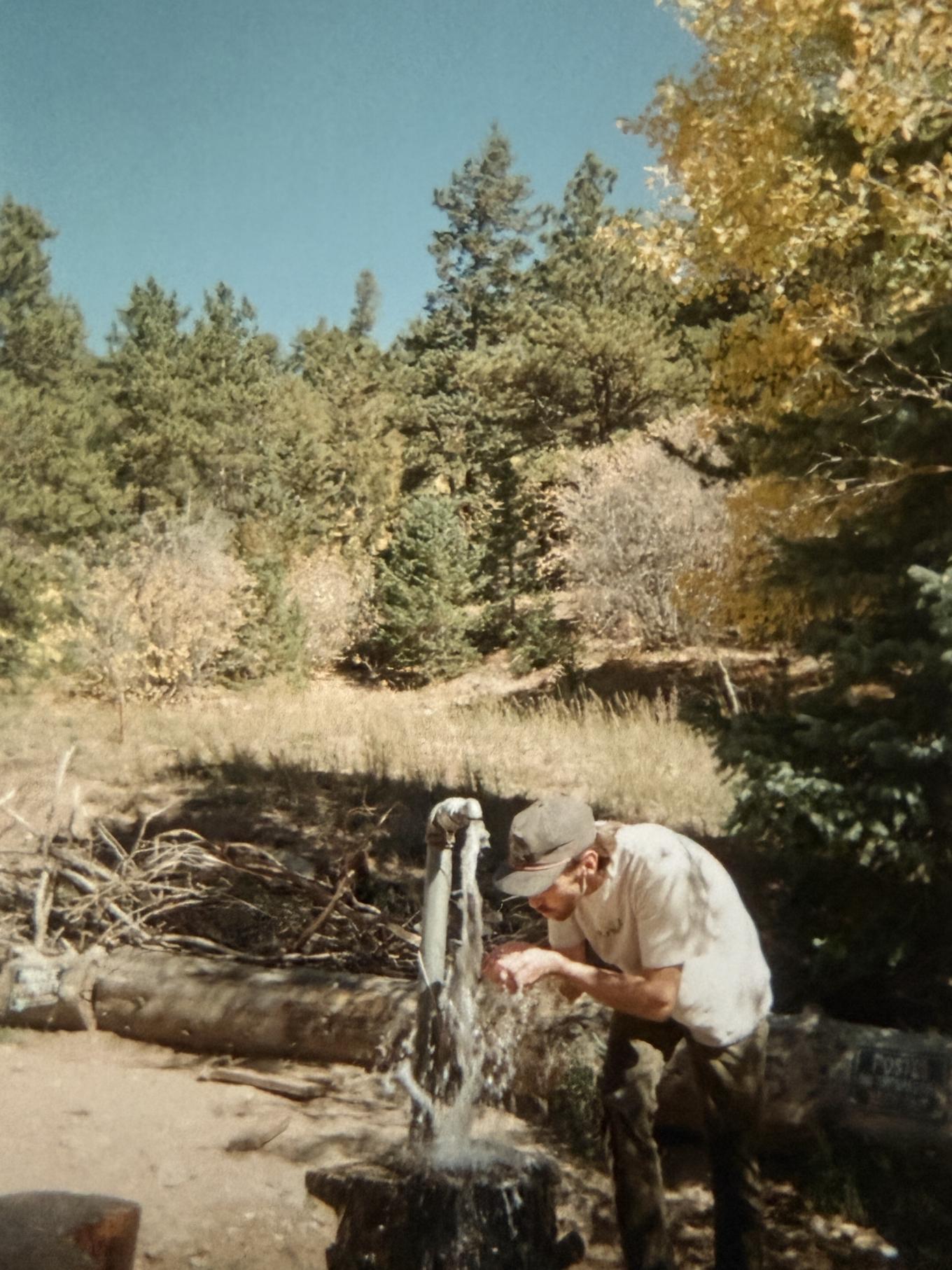
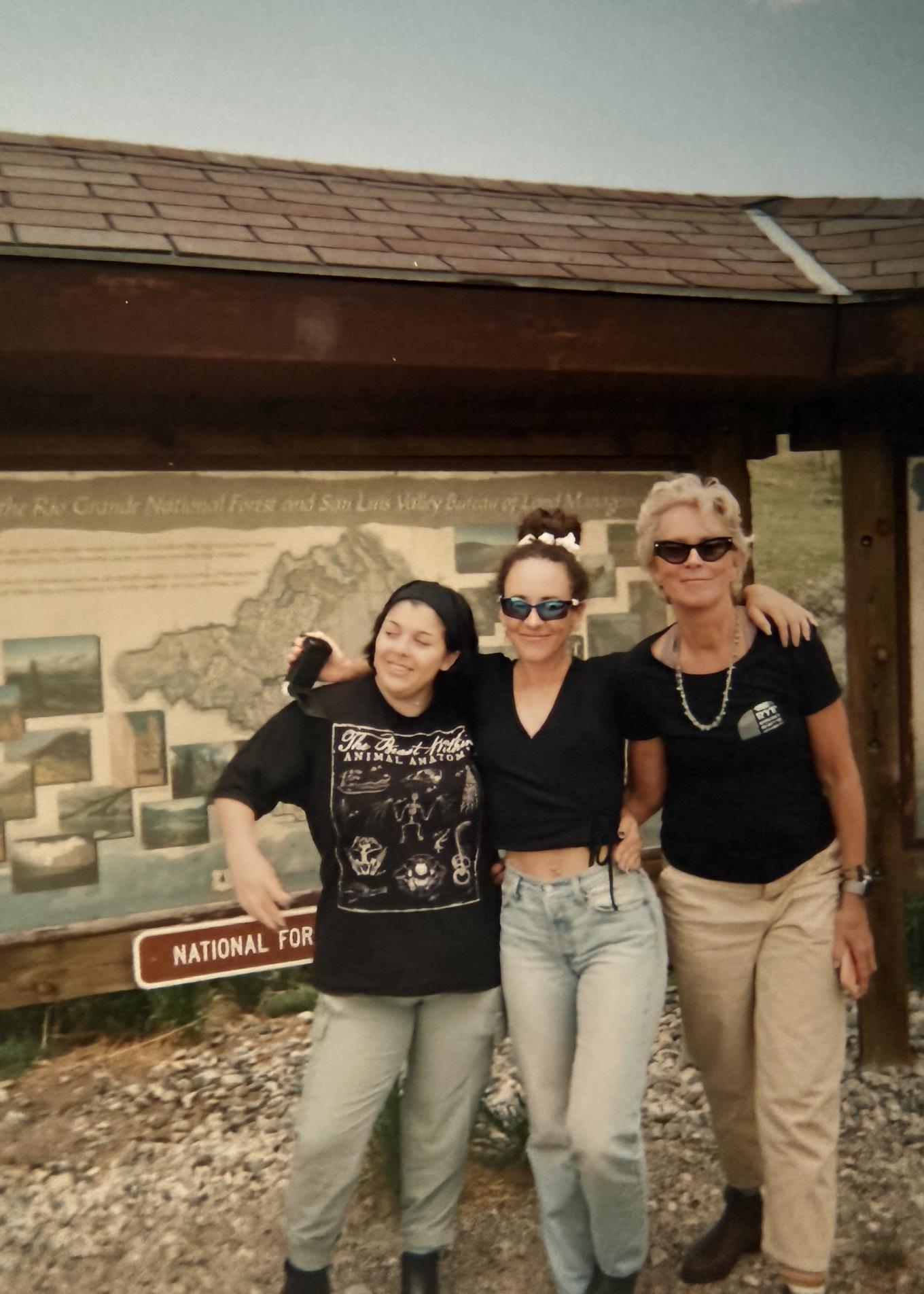
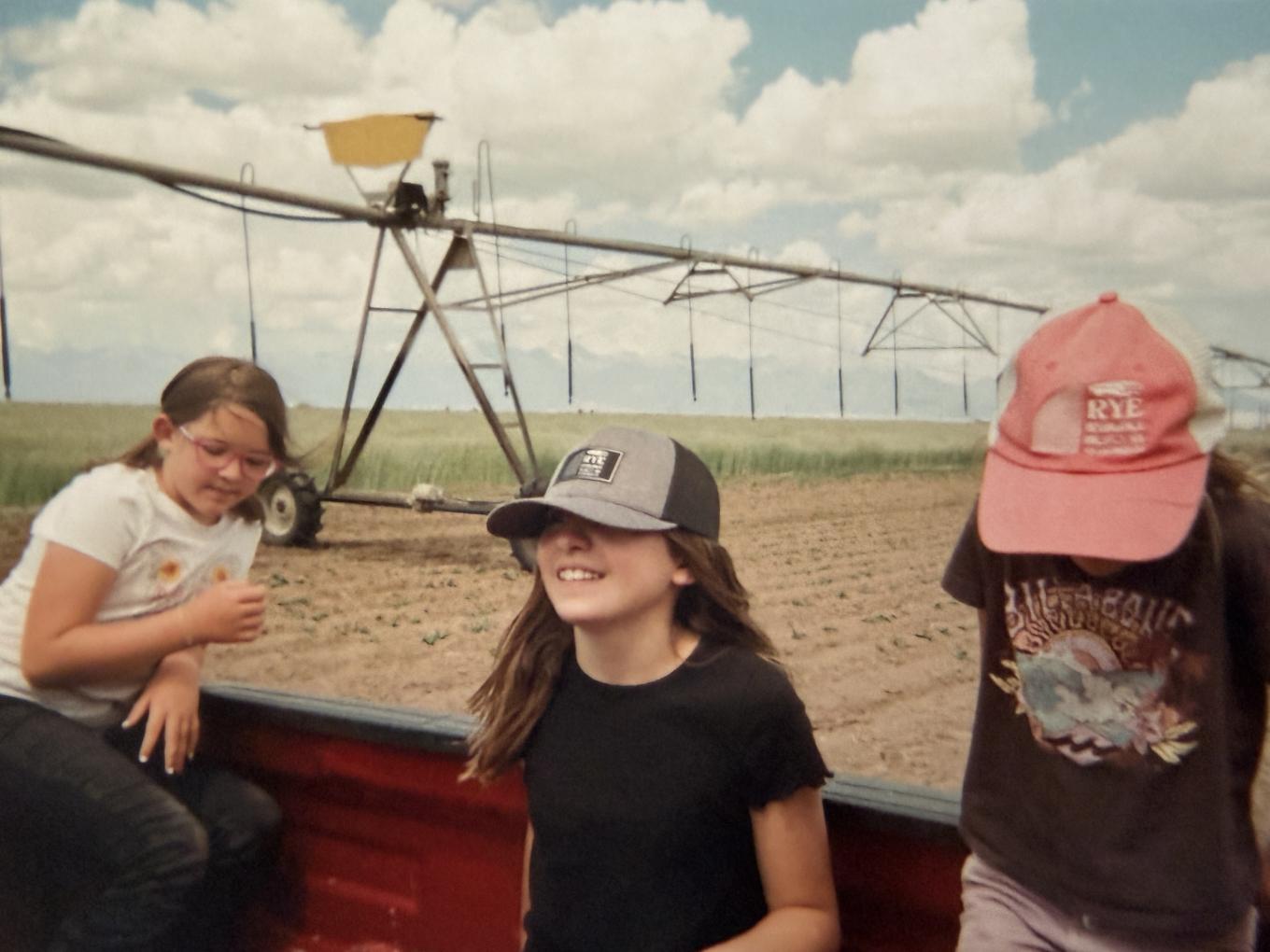
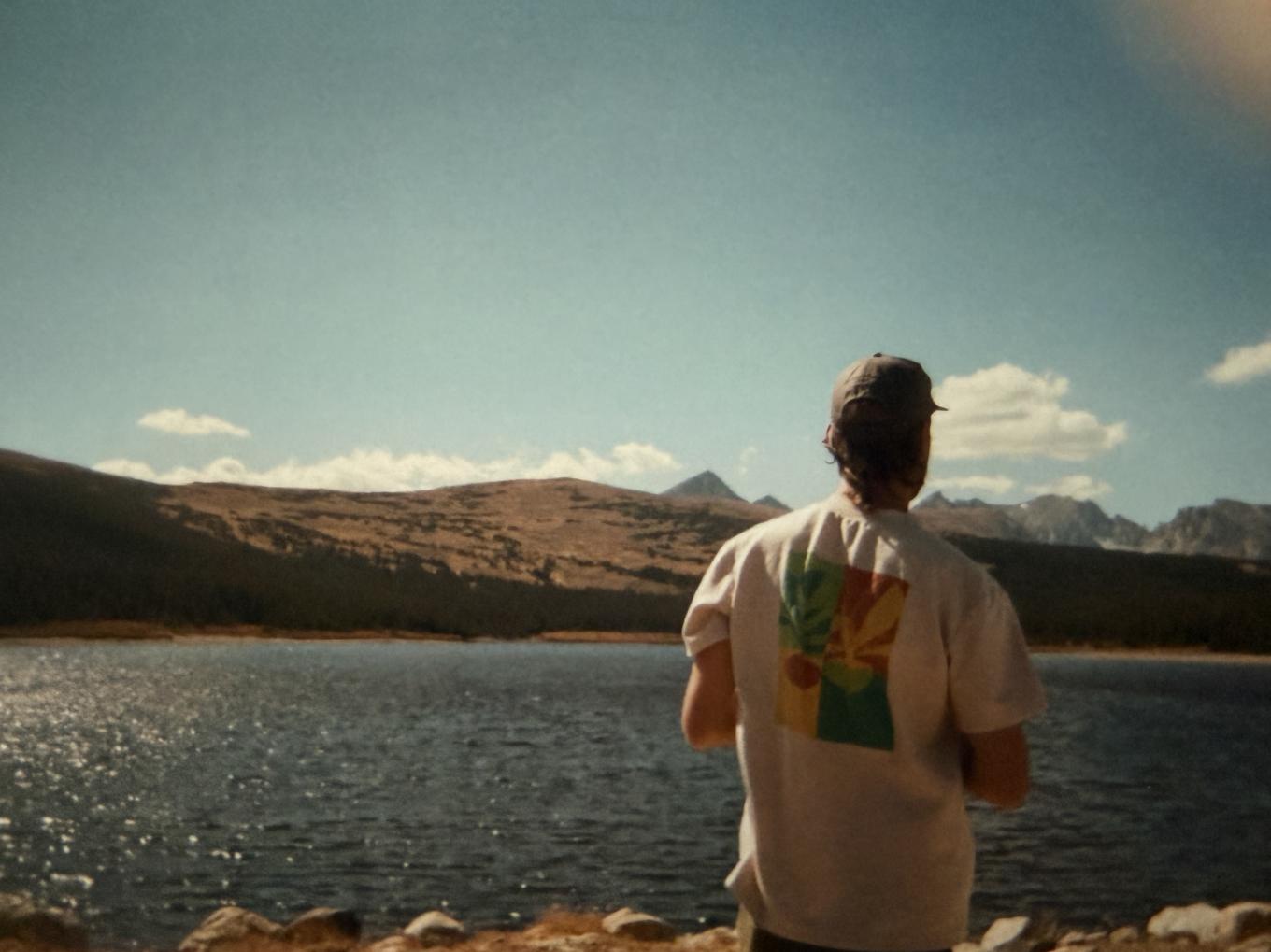
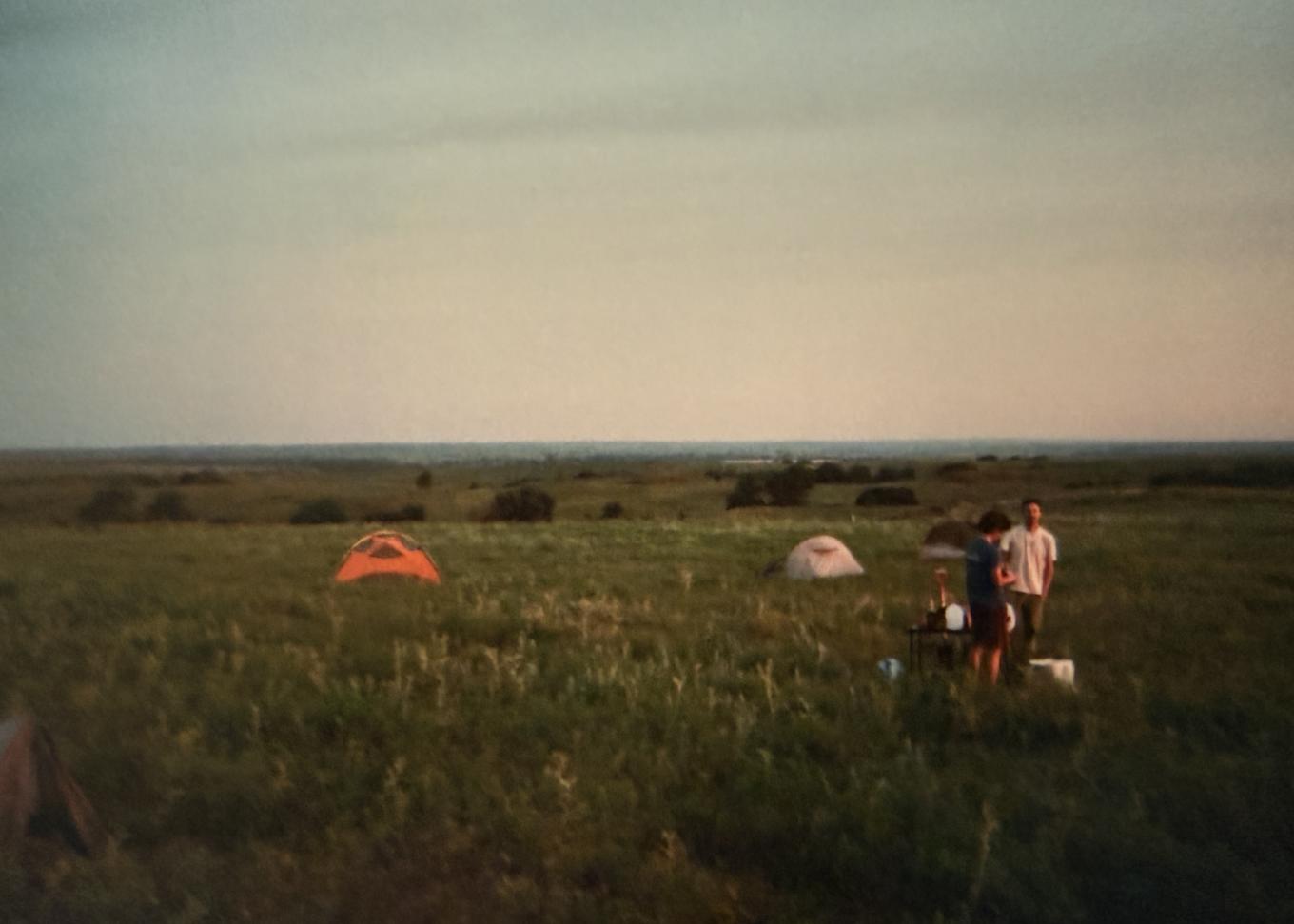
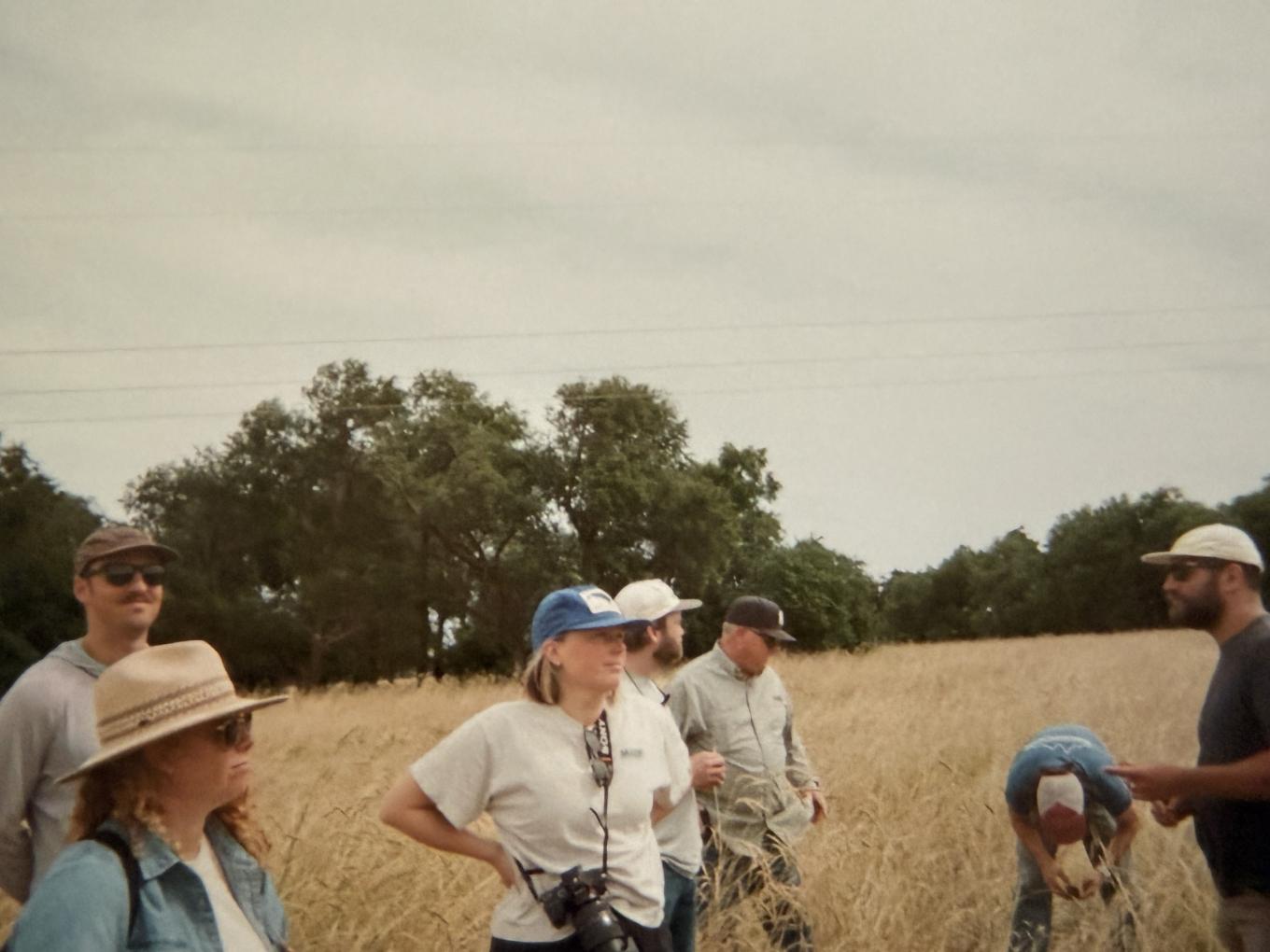
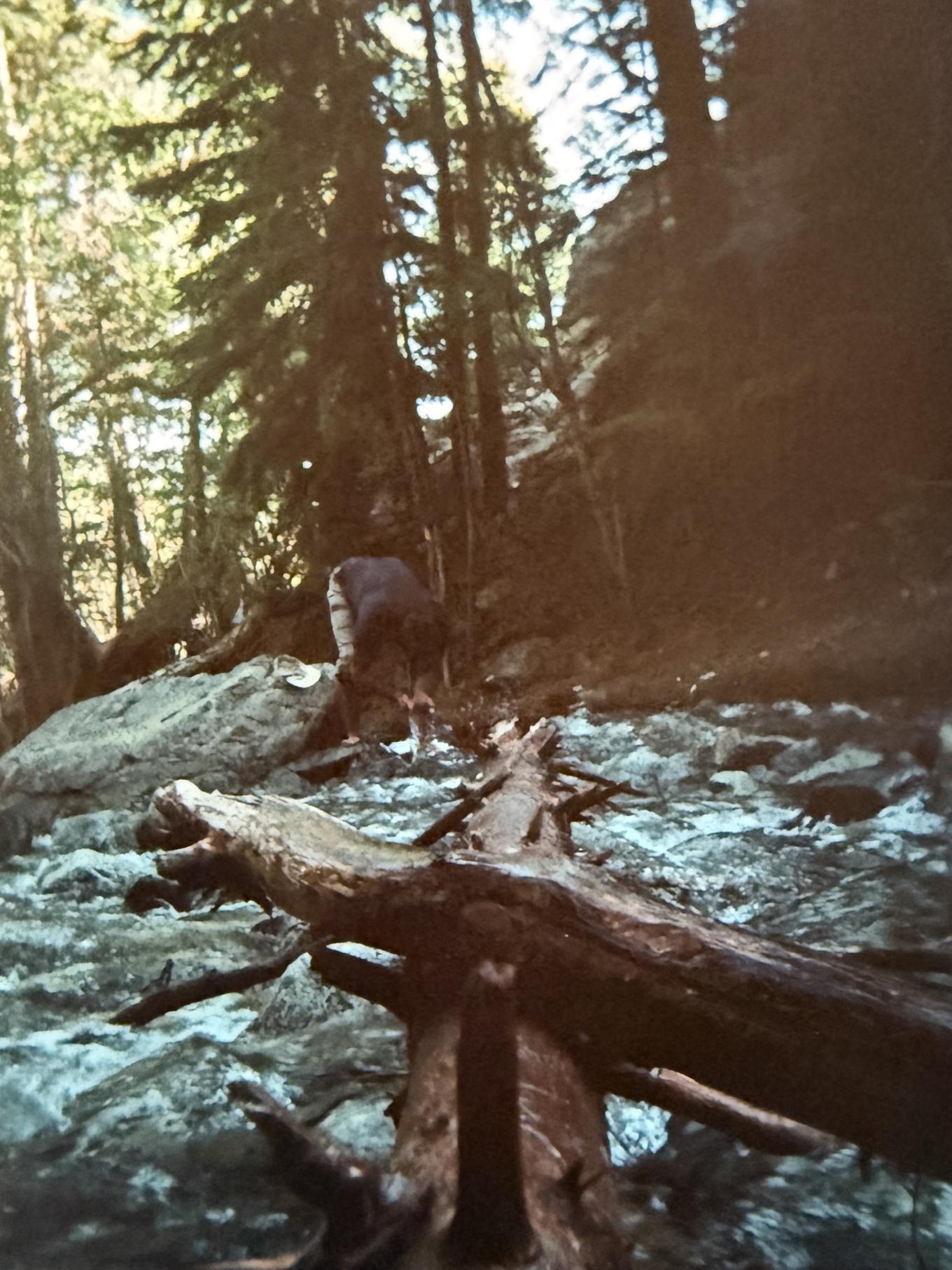
Twice a year, the Mad Agriculture team comes together from across the country to convene on the land. These gatherings are not held in offices or hotels, but on the farms and landscapes that shape our work. We camp. We drink from mountain streams. We road trip between places. We swim in rivers. We cook and eat together. We play soccer (we debate whether we should call it footie). We gather around the metaphorical and actual fire, letting the day settle into something shared.
This time is not separate from the work. It is the work. It is how alignment is built, how questions sharpen, how relationships deepen across distance and discipline. Being on the land together collapses abstraction. It reminds us what is at stake and what is possible. It grounds the mission in something lived and felt, not just stated.
Phil’s letter emerges from this context. From time spent in specific places, in community, paying attention. What follows carries that texture. It is shaped by land, by water, and by the simple act of being there together long enough to listen.
Journal Issue 14: Letter from Phil
Mad Agriculture is built on a singular mission: to create a regenerative revolution in agriculture. Yet beneath that mission is an even larger vision, one that orients everything we do. We are working toward an Earth where land, sea, and people thrive together forever.
The health of these three realms is one and indivisible. As we heal the land, we heal ourselves; as we harm it, the consequences flow outward. We all know, in some way, what it means to live downstream. The ocean receives nearly everything we do poorly on the land, from erosion to nutrient loading to pollutants to flooding. The systems are connected, and the ocean bears the cost of our neglect.
Mad Agriculture’s story, and many of the stories in this Journal, are shaped by these coastal and oceanic truths. I grew up on an old farm in Maryland and fell in love with the ecology of the Chesapeake Bay watershed. The more I learned, the more I understood how deeply we have damaged it. The Bay is choked with agricultural runoff. The great migrations of blue crab, herring, menhaden, and shad that once defined the region are diminished. The Earth is a faint glimmer of what it longs to be. It is a sad state of affairs, revealing both our hubris and our naiveté.
We have forgotten what to love. The losses have been immense. There is much to grieve.
Yet grief, in its most powerful form, animates love into action. Often it calls for radical change, fueled by the clear and uncompromising fire of rage. Rage is a clean heat that shows us what can no longer be tolerated. Grief and rage together push us toward discovery and the creation of new stories. We see that energy in the questions explored here: what the West represents culturally, how a town feeds itself after losing its grocery store, how farms can become the arteries of wildlife corridors, how urban agriculture becomes a community center, how sand art, avocados, corn, salmon, and sunflowers reflect our relationship to place, and how the regenerative movement continues to evolve. We are waking up.
Read on,
Phil