
The Mad Agriculture Journal
Thriving at the Scale of a Continent
Published on
January 14, 2026
Written and photographed by
Omar de Kok-Mercado
I frame all my decisions around a Quality of Life Statement, a practice I learned from Shannon Hayes in Redefining Rich. You can think of a Quality of Life Statement as a form of personal ecology, a measure of belonging, commandments for flourishing, metrics to thrive by, or perhaps an Earth-Human Well-being Index.
How we, as individuals, attribute value to our lives differs. That is the point. It should evolve and adapt and be reevaluated continually. Have your loved ones write one too, and convene to build up each other’s dreams. Instead of compromising, accommodate. Writing it down and saying it out loud turns it into magic. A prayer. It becomes real.
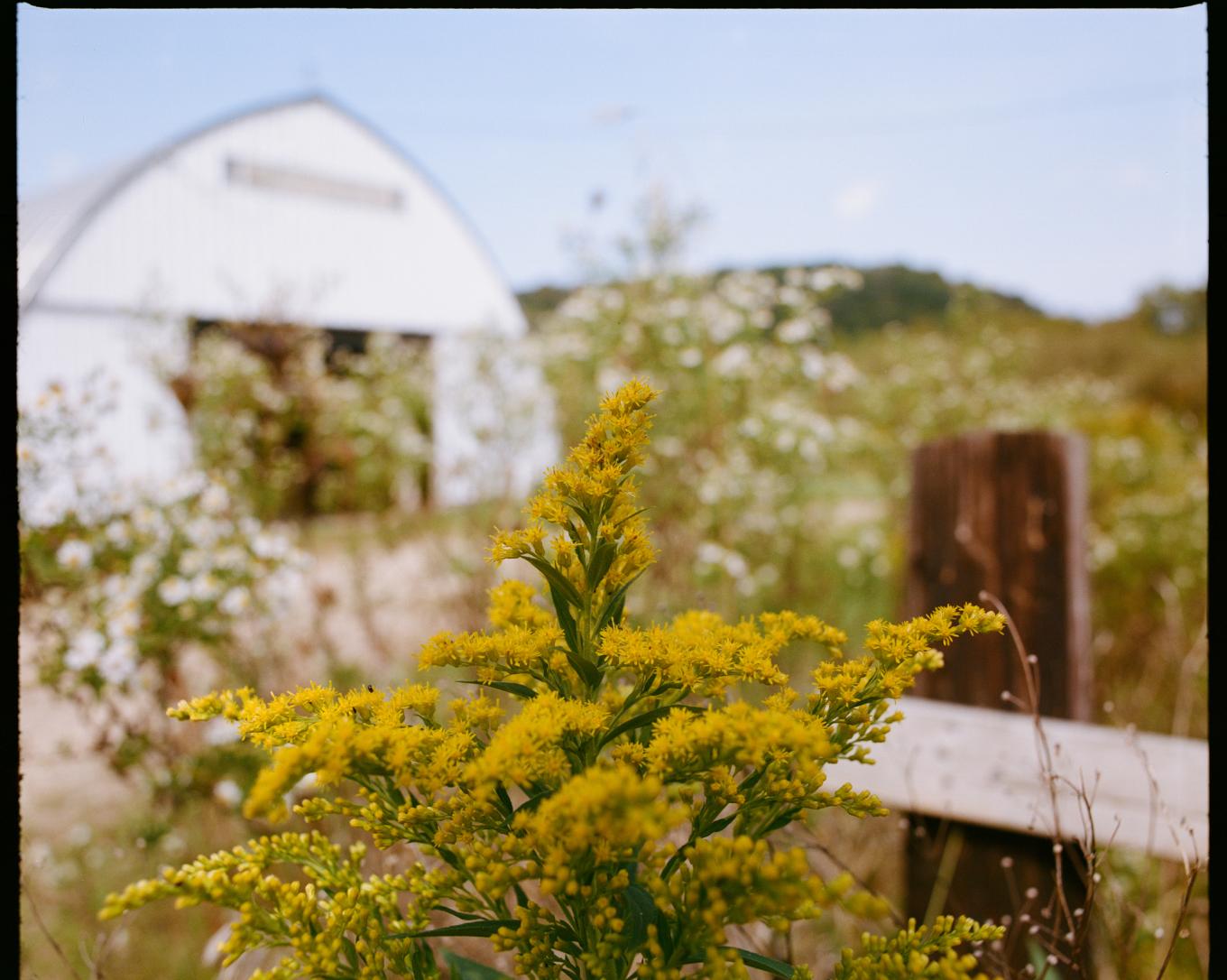
Three years ago, my Well-being Index made it clear that I should visit the ocean once every three years. Then it evolved to visiting Big Water every year. Now it reads: live on or near Big Water three months each year. I grew up next to salty oceans and seas of grass. I activate when I reunite with the spirit of Big Water, it renews my spirit, and affirms my desire to work towards creating abundant clean water for all.
When I am on the land I can find that same solace in the open prairie. The closest thing to Big Water I can touch without leaving the land. A tide of tallgrass and wind that moves like waves.
My time at Iowa State University, working on prairie strips, taught me how those tides can return even in the smallest seams of the industrial landscape. Ribbons of native plants stitched through row crops can renew the spirit of the land, and the farmer. Decades of transdisciplinary research have demonstrated that regeneration doesn’t have to begin with vast reserves. It can start at the edges, in places written off as unproductive, and ripple outward.
Prairies have shown me that the land has a Well-being Index, too. When we honor it, abundance returns. Surely, our shared landscapes deserve the same. If our personal lives are worth designing, our landscapes are too.
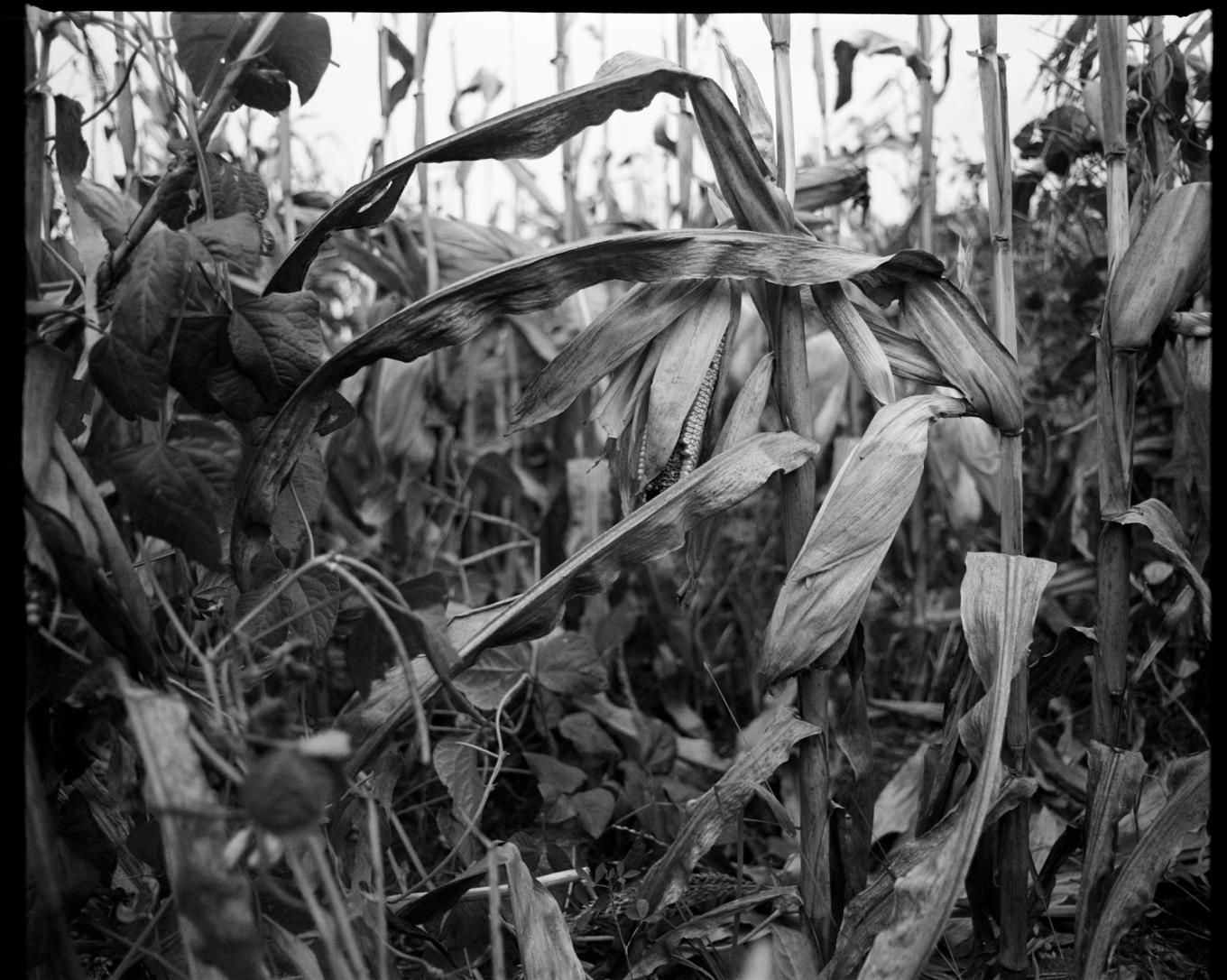
This is where the Wild Grid comes in. It is a vision for evolving 65 million acres of overlooked and underperforming agricultural land into a living network that supports biodiversity, agriculture, and culture all at once. Not protected zones fenced off from use, but corridors of wildness braided into working lands.
We start at the margins. Field edges that flood. Slopes that erode. Patches where yields drag year after year. The industrial system sees these places as liabilities. The Wild Grid sees them as invitations. Places where prairie, savanna, and grazing can become tools for renewal.
The Wild Grid is about building America’s next great infrastructure project. The Wild Grid considers native habitats as a critical form of ecological infrastructure, resilient and durable. It weaves native species, rotational livestock, perennial crops, and ecological memory into the industrial bones of the existing ag matrix. Powerlines. Ditches. Rails. Rights-of-way. Rivers. Tributaries. Farms. Public Lands. Recreational Trails. All of it becomes part of the design.
The Wild Grid is a functional vision. Based in science, built by farmers, funded by markets, and guided by a deeper story of reconnection. It draws from land-sharing principles but also knows when to let land rest. It honors production, but refuses to center profit at the cost of place.
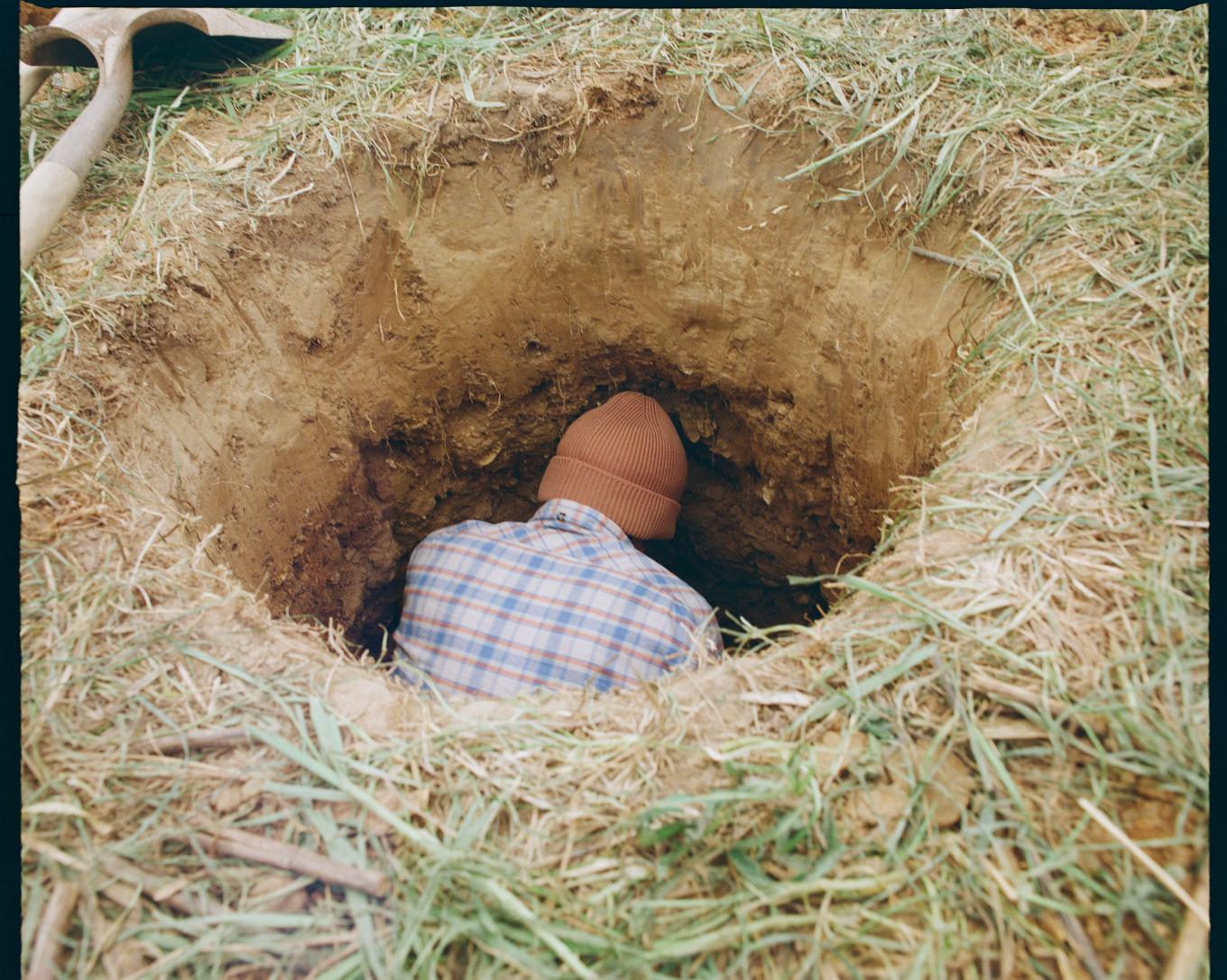
65 million acres is not just a random number; it is the amount of agricultural land scientists suggest we need to return to wildness if we are serious about sustaining biodiversity, agriculture, and the broader ecosystem in a climate-shifting world. This number will change as research deepens but we can challenge the burden of proof. Step into a remnant prairie or savanna then walk into the middle of a 10,000 acre corn field. You will see, hear, smell, and feel the difference. It will always remain a both-and, a weaving of production and wildness, not one at the expense of the other.
The Wild Grid is a continental collaboration. A strategy that sees habitat as infrastructure and treats marginal farmland as a potential corridor. One that remembers our role not just as producers, but as active participants in the living systems that hold us. As the ecological keystones humans have always been.
It is about stitching together a continent that has been pulled apart by us. About making room for our wild home, not only to survive, but as a condition of thriving.
Same as we do with our lives. We draw a circle around what matters, and we commit to it. We let it guide how we spend our time, what we plant, who we stand with, how we create, laugh, and enjoy life. The Wild Grid is just that. A Quality of Life Statement, written into the soil, scaled to the size of a continent.
Say it out loud. Say it like a prayer and let it become real.
A Prayer for the Wild
Let us re - member, what we are made of.
Soil and story. Stardust.
Grief and grassland.
Fire in the belly and pollen on our boots.
Let us name what we love and build from there.
Outside of isolation. In relationship.
Not just to grow, but to thrive.
Let this work be slow, and let it be alive.
May we see the margins as beginnings.
The ditches. The end rows.
Let us stitch what has been torn.
Not to restore what was,
but to imagine what could be.
May the hawk return to the fencerow.
May the milkweed split through the concrete.
May the panther perch on oak limbs.
May the land be free, Great Spirit.