
The Mad Agriculture Journal
A Harvest Of Hope
Published on
March 17, 2026
Film by
Kirk Horton
Photography by
Jane Cavagnero
Written by
Jonnah Perkins
In the wide, wind-scoured high desert of central Oregon, Casad Family Farms is learning how to survive and evolve under pressure. Cate and Chris Havstad-Casad steward land in a region where water has always been scarce, but in recent years, scarcity turned into crisis. What they faced exceeded even their worst-case expectations, forcing a fundamental rethinking of what their farm could be.
For years, the farm operated as a diversified vegetable CSA, feeding their local community with fresh produce grown in an already challenging climate. But as drought conditions intensified and water access became increasingly uncertain, that model became untenable. Rather than walking away, the Casads chose to adapt.
They began transitioning their operation toward drought-tolerant grains and livestock, reshaping the farm to better align with the ecological realities of the high desert. This shift marked not just a change in crops, but a deeper commitment to working with the land instead of against it.
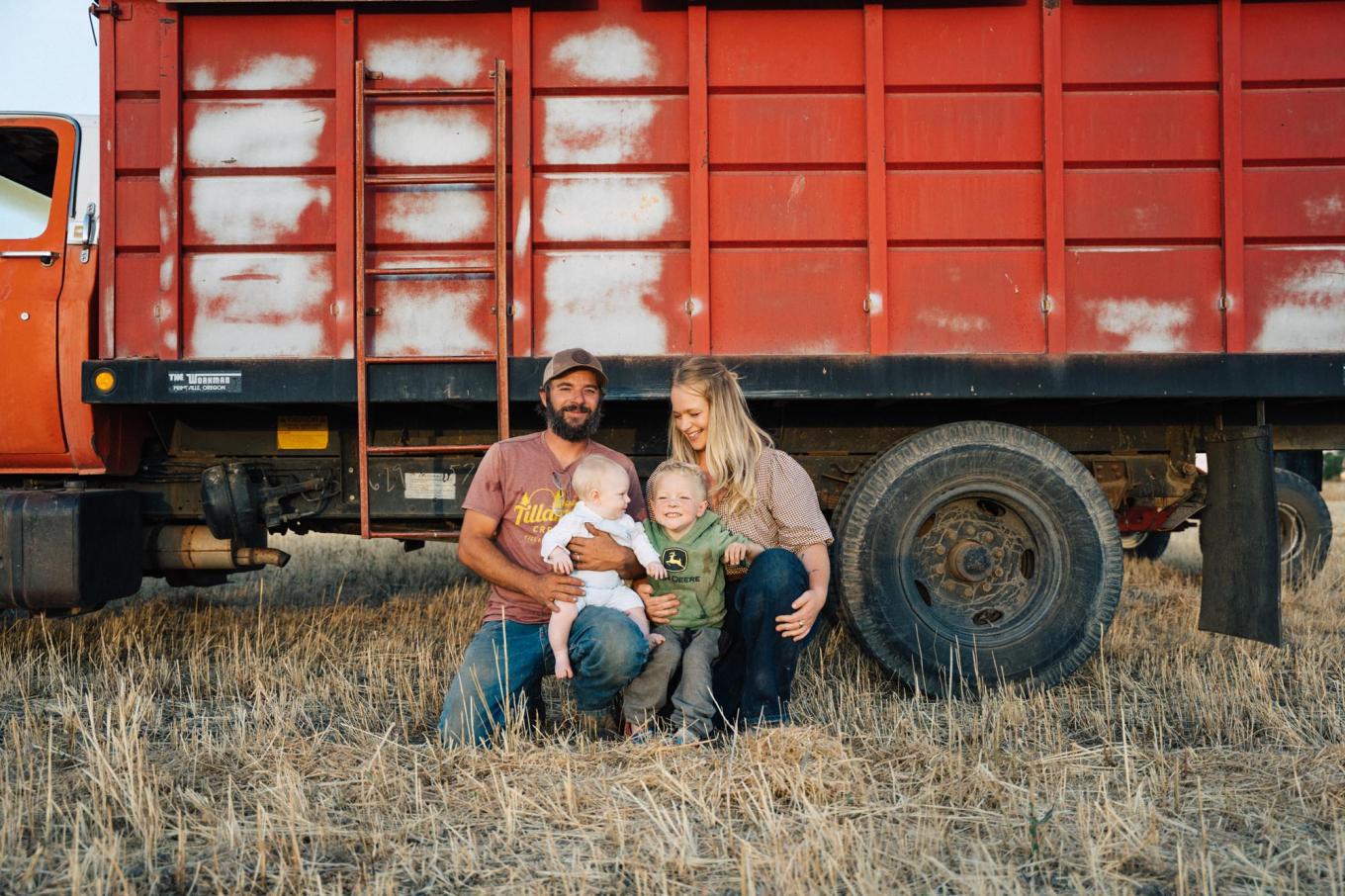
Livestock became an integral part of the system, helping cycle nutrients, build soil structure, and restore resilience across dry and fragile ground. Grains suited to arid conditions replaced water-intensive vegetables, creating a system that could endure in a changing climate.
Out of necessity, the Casads also expanded beyond traditional farming. They launched multiple interconnected businesses, weaving together agriculture, value-added products, and community-based events. This diversification became a form of resilience in itself, allowing the farm to sustain both land and livelihood.
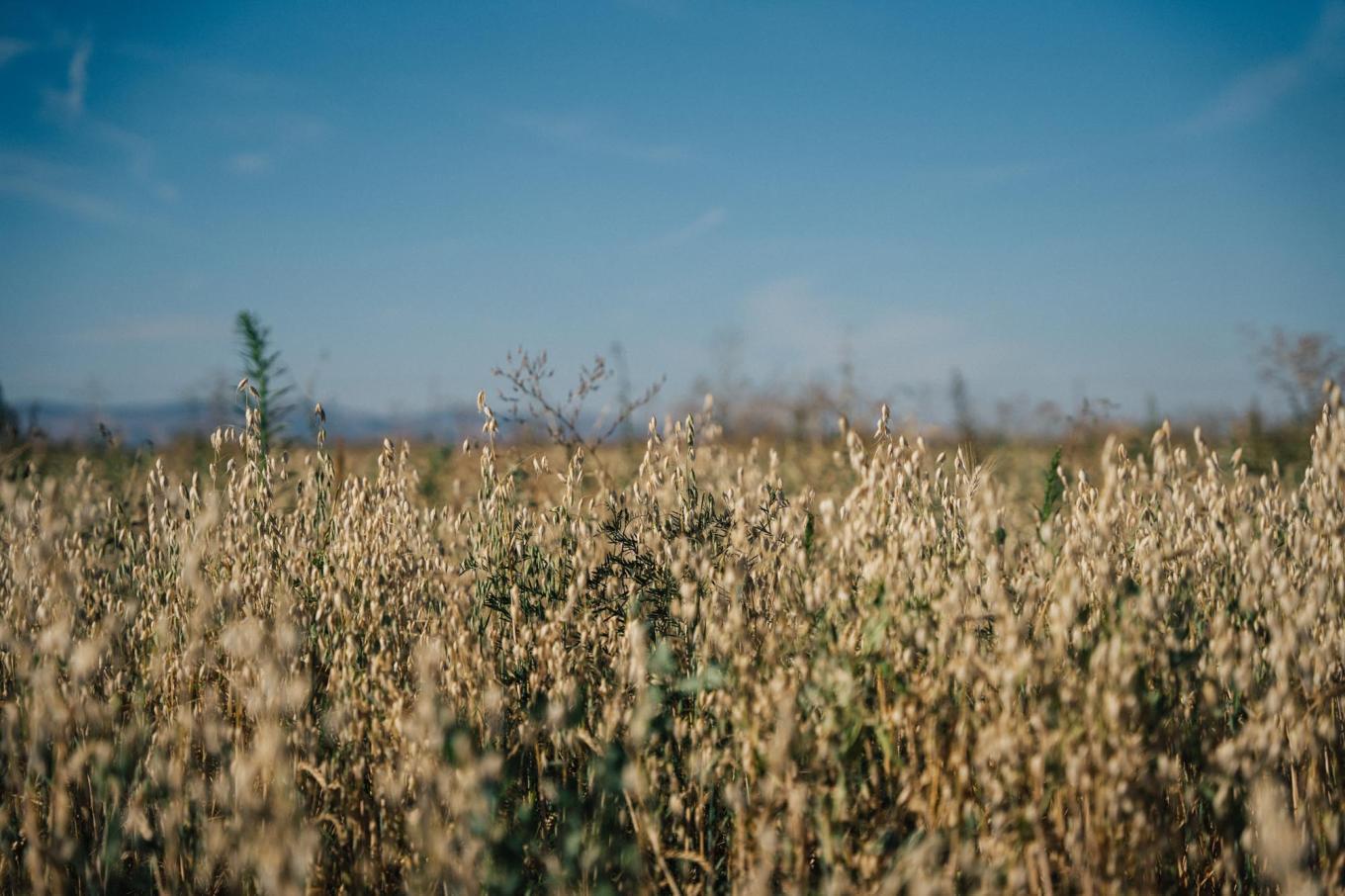
Casad Family Farms has grown into more than a production space. It is a gathering place. The revival of the Jefferson County Threshing Bee, an old-school agricultural celebration, reflects their belief that farming is not just about outputs, but about culture, memory, and connection. These events bring people back into relationship with land, labor, and one another.
Regeneration on this farm is not framed as a fixed set of practices, but as an ongoing process of listening and response. The Casads’ work is shaped by constraint, creativity, and a willingness to change course when the land demands it.
The short film following Casad Family Farms captures this transformation in motion. It is a story of drought and determination, of rebuilding a farm from the ground up, and of discovering that resilience often begins where certainty ends.